

【Event Report】The Center hosted the symposium “Protecting Heartbeats, Preventing Sudden Death: A Comprehensive Dialogue from Clinical Practice to Policy,” focusing on clinical approaches and public policy for sudden death prevention.
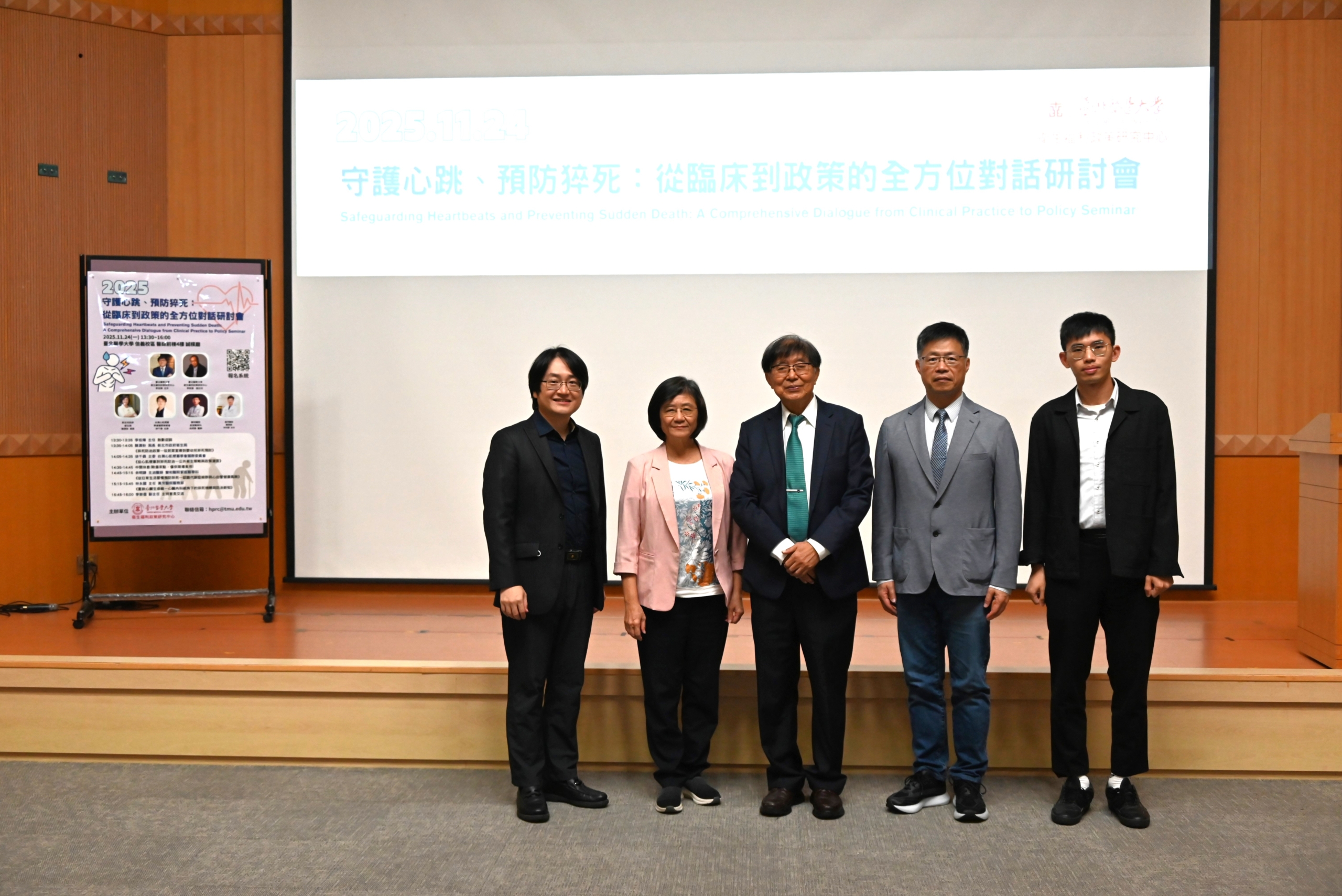
(From left to right: Dr. Chien-Yi Hsu, Chair of the International Committee of the Taiwan Society of Myocardial Infarction; Ms. Jen-Chiu Chen, Director-General of the New Taipei City Department of Health; Prof. Po-Chang Lee, Director of the Health and Welfare Policy Research Center at Taipei Medical University; Dr. Yung-Kuo Lin, Director of the Department of Medical Affairs at Wanfang Hospital; and Dr. Ming-Chien Yu, Attending Physician at the Department of Family Medicine, Shuang Ho Hospital.)
The Health and Welfare Policy Research Center of Taipei Medical University held the symposium “Protecting the Heartbeat, Preventing Sudden Death: A Comprehensive Dialogue from Clinical Practice to Policy” on November 24, 2025.
The event focused on the clinical practice and public policy of sudden death prevention, bringing together insights from government initiatives, academic research, cardiology clinical experience, and public health advocacy. The discussion provided a comprehensive analysis of the current landscape and challenges in sudden death prevention, and further proposed potential policy directions and social support strategies.
Prof. Po-Chang Lee Director, Health and Welfare Policy Research Center Taipei Medical University
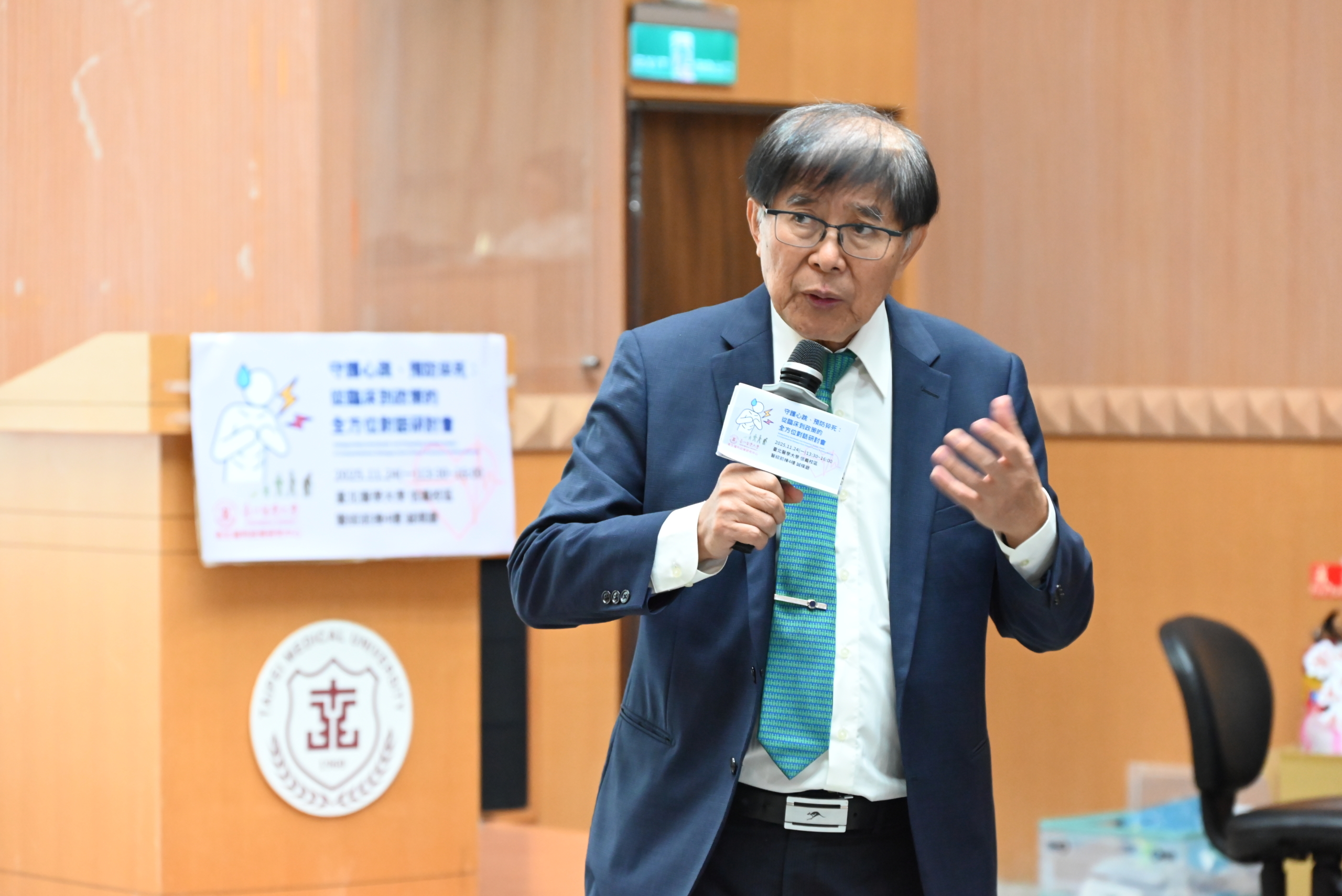
Prof. Po-Chang Lee, Director of the Health and Welfare Policy Research Center at Taipei Medical University, stated in his opening remarks that certain chronic disease issues have yet to receive sufficient national attention, despite being closely linked to sudden death prevention and population health. He highlighted that the New Taipei City Department of Health has demonstrated outstanding performance in strengthening pre-hospital emergency care systems, fully recognizing that “time is life” in sudden death incidents. Rapid and effective intervention often determines whether a life can be saved. Prof. Lee expressed his hope that participants would actively exchange insights to collectively identify more comprehensive strategies for sudden death prevention.
New Taipei City Department of Health — Director Jen-Chiu Chen
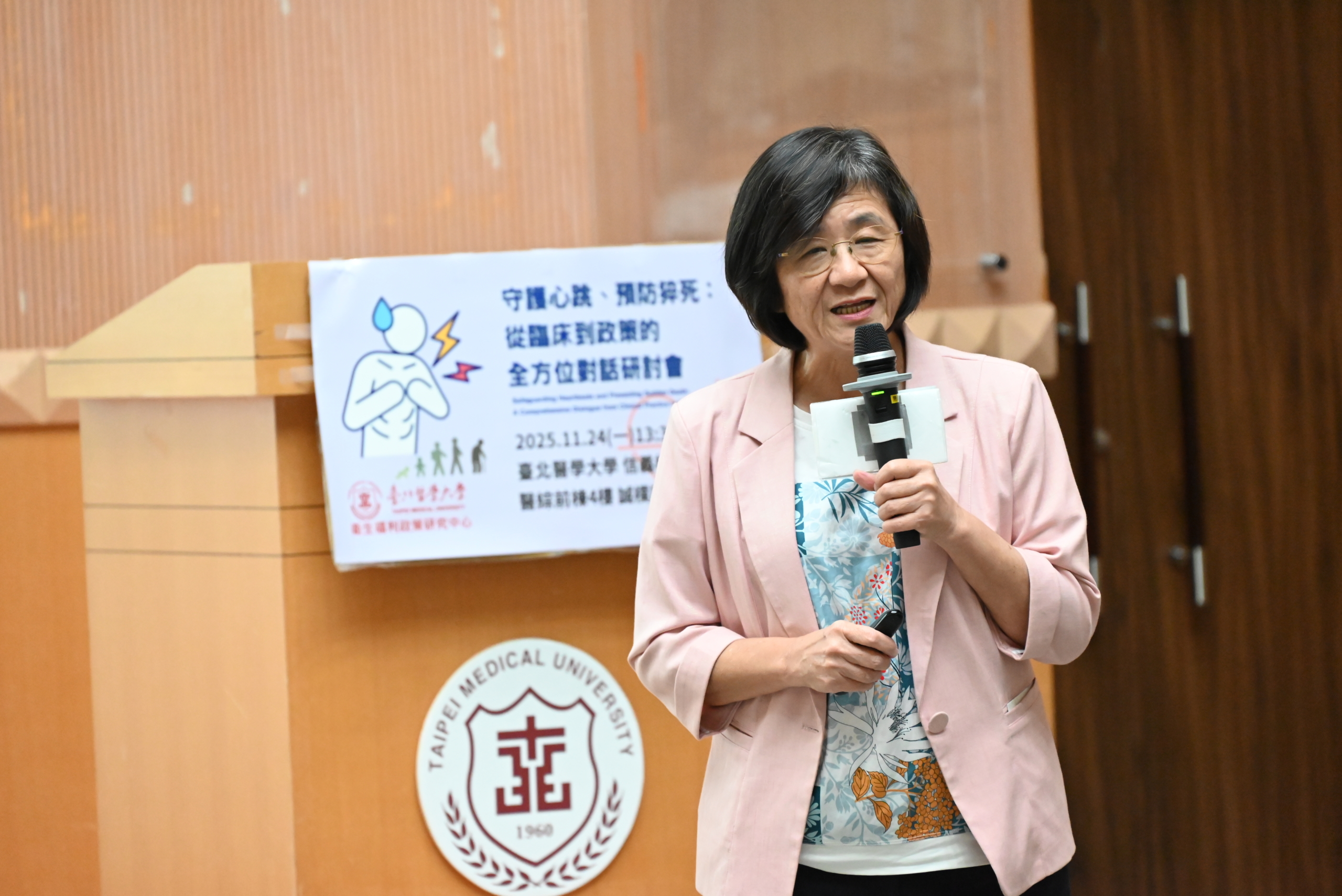
Director Jen-Chiu Chen noted that Taiwan’s infant mortality rate ranks in the lower tier among OECD countries, with Sudden Infant Death Syndrome (SIDS) being one of the leading causes. According to the 2021 Child Death Review (CDR) data, among 132 deaths of children under the age of six, newborns accounted for 60 percent. The major causes included preterm birth, sepsis, heart failure, and severe congenital anomalies. For children over one year old, most deaths were attributable to preventable accidents such as aspiration, falls, traffic injuries, and poisoning.
Director Chen emphasized that the CDR system enables precise identification of avoidable risk factors and serves as an evidence base for policy improvement. She further explained that New Taipei City has designated “safe sleep” as a core component of SIDS prevention, providing three rounds of parental education for infants from birth to 10 months old, totaling 626 sessions and over 11,000 participants between 2024 and 2025.
To strengthen the prevention of cardiac-related sudden death, New Taipei City is building a lifespan prevention framework covering pregnancy, infancy, school-aged children, and adults. Beginning in 2026, electrocardiogram (ECG) screening will be added to the first-grade health examination, complementing existing heart murmur screening for ages 0–7 and prenatal ultrasound assessments to form a more comprehensive early detection network.
At the same time, the city is promoting a chronic disease risk assessment platform, deploying nearly 1,800 AEDs along with a “Safe Place” certification program, and providing annual CPR training for more than 160,000 individuals. Additional measures such as ambulance teleconsultation aim to further enhance pre-hospital emergency response capacity.
Dr. Chien-Yi Hsu, Chair of the International Committee, Taiwan Society of Myocardial Infarction
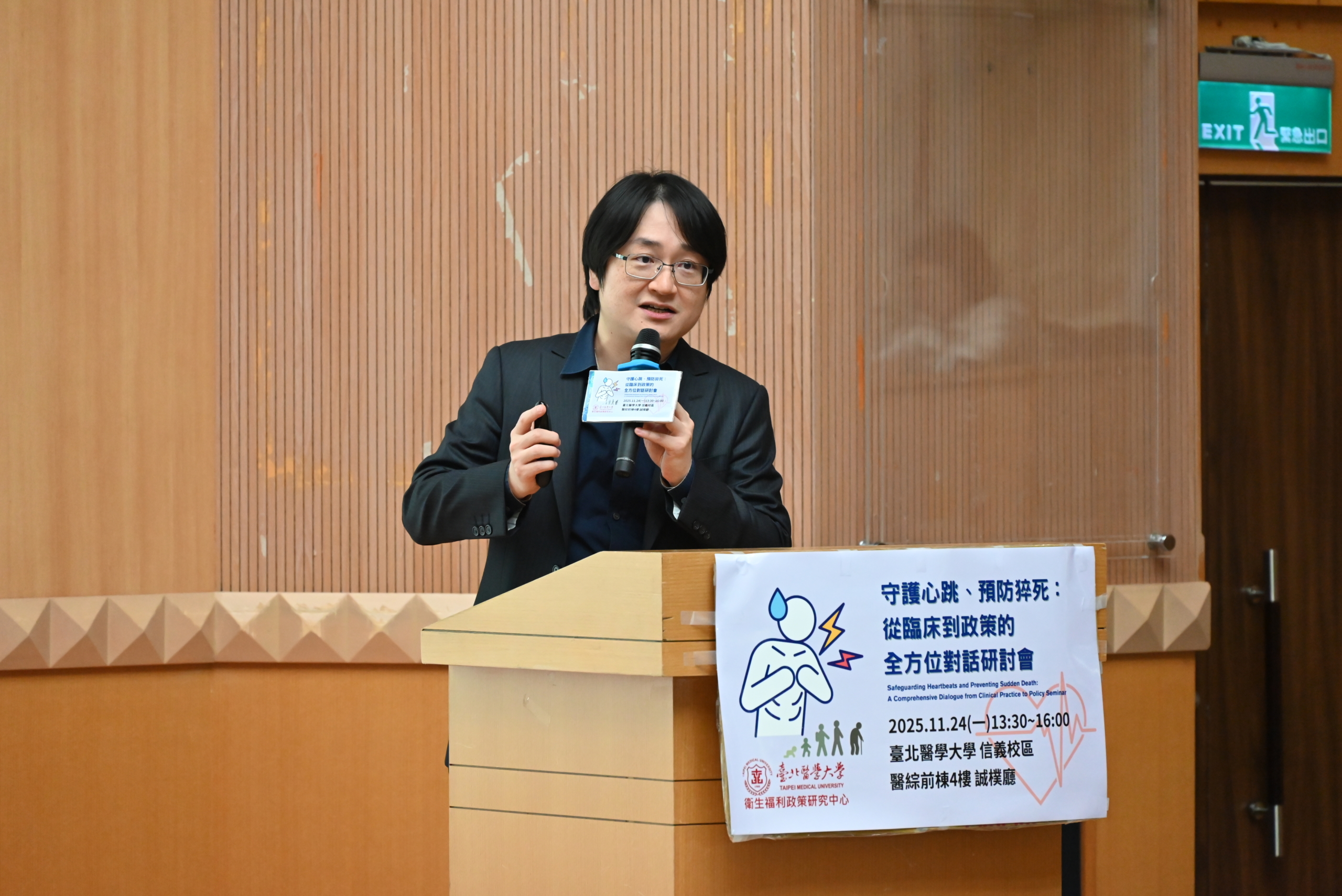
Dr. Chien-Yi Hsu noted that U.S. studies have shown that over 50% of myocardial infarction patients exhibit no symptoms prior to the event, and more than 20% have never consulted a cardiologist—highlighting the silent nature of cardiovascular diseases. He emphasized that the key to preventing myocardial infarction and sudden death lies in implementing “soil and water conservation–style prevention,” which includes controlling the three major chronic conditions (hypertension, hyperlipidemia, diabetes), exercising regularly, weight reduction, smoking cessation, and stress management.
Dr. Hsu stated that international trends in myocardial infarction care have expanded toward a comprehensive continuum that spans pre-hospital, in-hospital, and post-discharge stages. This includes strengthening pre-hospital emergency services, establishing multidisciplinary shock teams, implementing integrated heart team–based complex interventions, reinforcing secondary prevention, prioritizing primary prevention, and advancing remote physiological monitoring.
He acknowledged that Taiwan has made significant progress in pre-hospital emergency care and can further enhance performance through technological solutions. However, due to manpower limitations, most hospitals face difficulties establishing multidisciplinary shock teams, and clinical decision-making often remains siloed within individual specialties. Integrated cardiac care teams have yet to be fully developed. In addition, Taiwan lacks adequate post-discharge quality monitoring for secondary prevention, while primary prevention remains conservative due to insufficient guidelines, National Health Insurance (NHI) restrictions, and the absence of quality indicators.
Although remote physiological monitoring has become a global trend, only a few hospitals in Taiwan have adopted it, again due to manpower shortages and limited incentives.
Dr. Hsu concluded by stressing that NHI data show a clear correlation: the higher the continuity of care for myocardial infarction patients, the lower the mortality rate. Therefore, establishing standardized care pathways is crucial to ensuring that patients receive consistent and effective treatment regardless of which physician they encounter, ultimately reducing post-discharge mortality risk.
Dr. Ming-Chien Yu, Department of Family Medicine, Shuang Ho Hospital
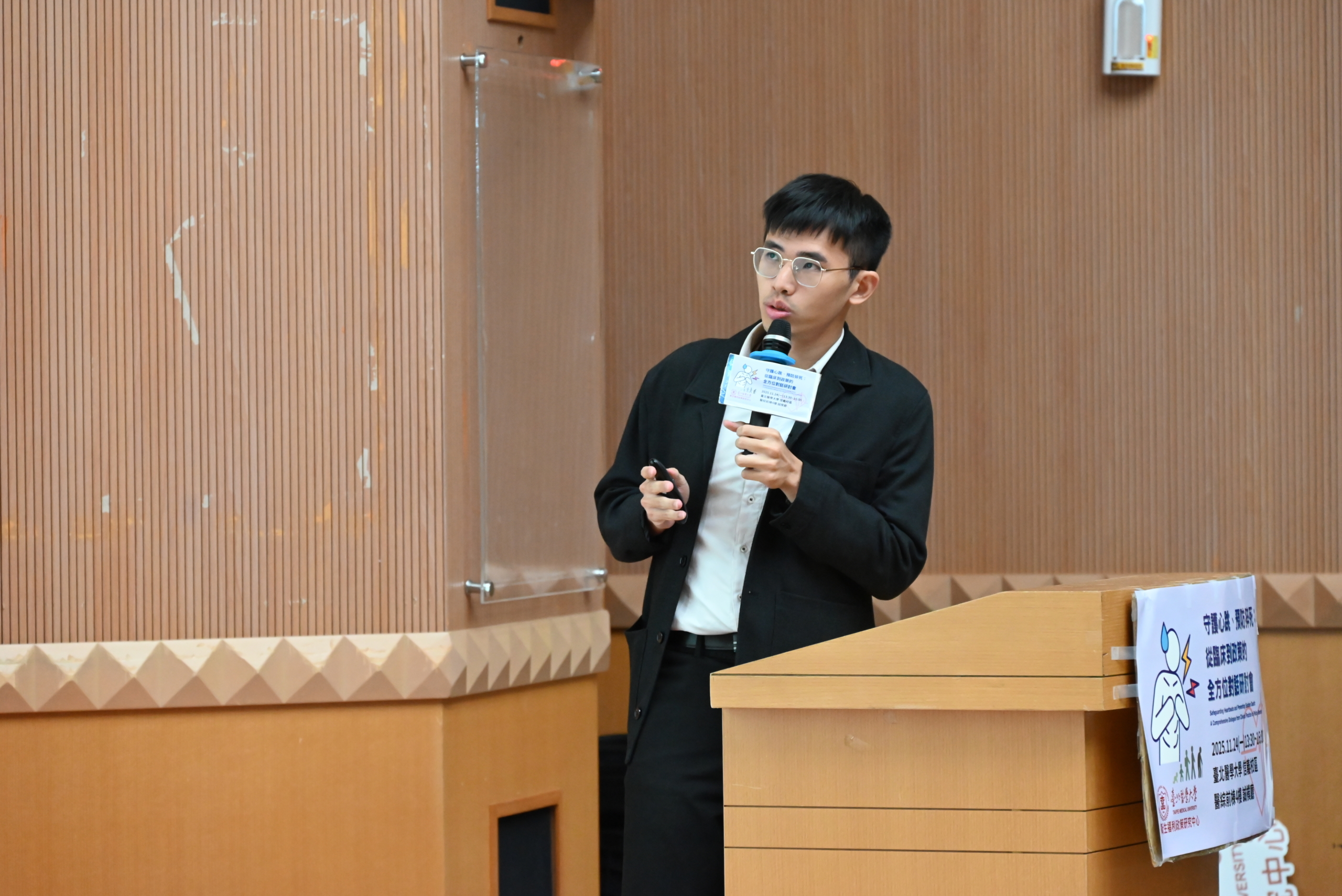
Dr. Ming-Chien Yu noted that the incidence of sudden cardiac death in Taiwan has shown an upward trend in recent years, with the highest risk observed among adults aged 65 and above and among men. He emphasized that metabolic syndrome—often perceived as asymptomatic—is in fact a hidden driver that significantly elevates the risk of sudden death.
Metabolic syndrome includes abdominal obesity, elevated blood pressure, abnormal blood glucose, high triglycerides, and abnormal cholesterol levels. Individuals presenting with any three out of these five criteria are diagnosed with metabolic syndrome. According to national statistics, 34.6% of Taiwanese adults aged 19 and above meet the criteria for metabolic syndrome. Its causes are multifactorial, though 50% are attributed to unhealthy lifestyle habits.
Recent clinical evidence shows that even in individuals without a history of coronary artery disease, those with metabolic syndrome still have a 70% higher risk of sudden cardiac death compared to the general population.
Dr. Yu also reminded the public to pay attention to warning signs of sudden cardiac events, including chest tightness, palpitations, unexplained fainting, and nighttime breathing difficulties. Recurrent symptoms warrant prompt medical evaluation.
He stressed that metabolic syndrome represents a “yellow light” warning for health, and timely lifestyle adjustments can effectively reverse the condition. These include weight reduction, a diet low in fat, sugar, and salt but high in fiber, at least 150 minutes of exercise per week, smoking cessation, limited alcohol consumption, and regular health check-ups.
Dr. Yu concluded by emphasizing that consistent lifestyle changes can improve most metabolic abnormalities and significantly reduce the risk of sudden cardiac death and major cardiovascular events.
Dr. Yung-Kuo Lin, Director of the Department of Medical Affairs, Wanfang Hospital
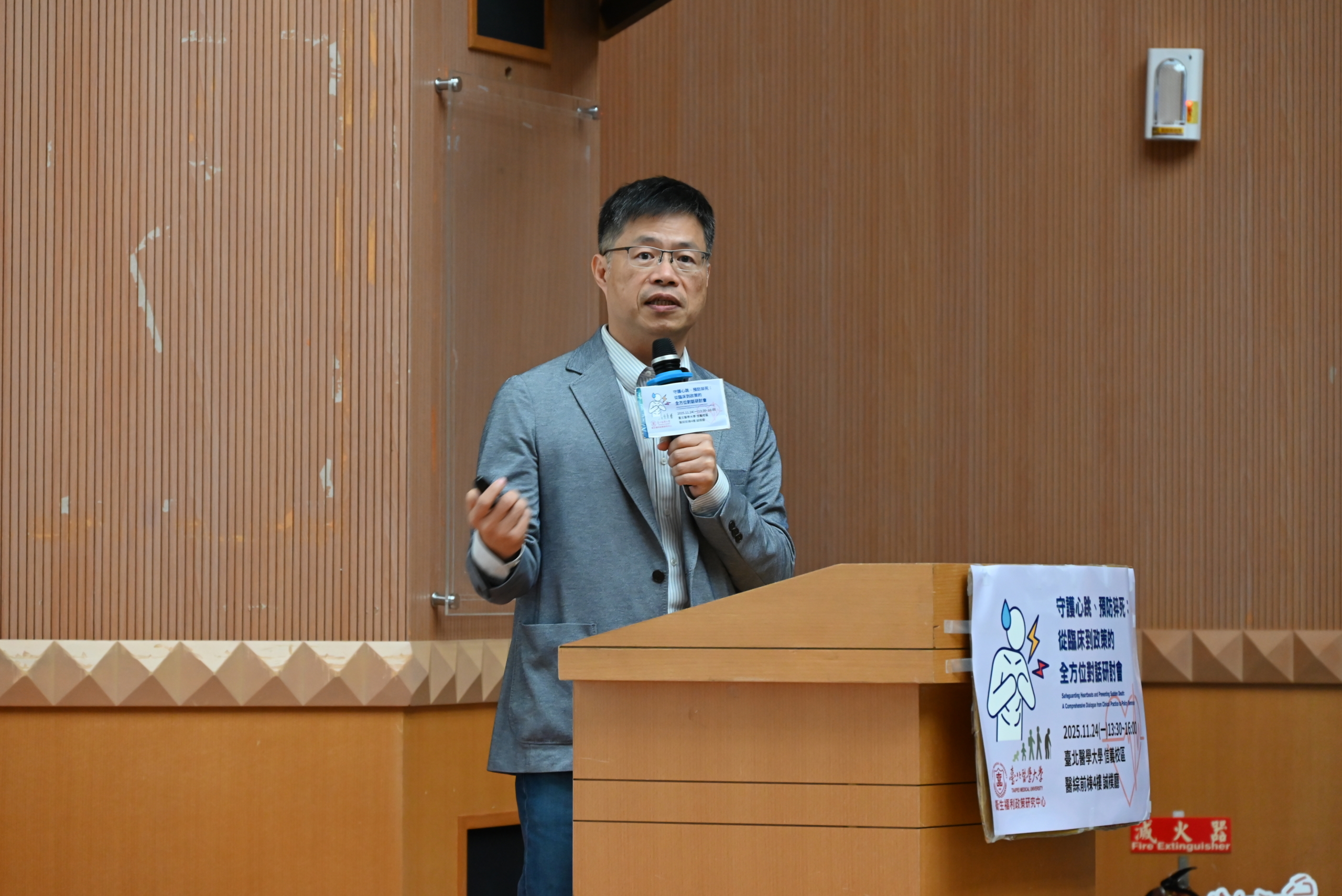
Dr. Yung-Kuo Lin stated that cardiac sudden death is the most abrupt and life-threatening cardiovascular event, accounting for nearly half of all cardiac-related mortality. Most patients exhibit no warning symptoms prior to onset, and the first episode can be fatal. Clinical and international research shows that over 70% of cardiac sudden deaths are associated with coronary artery disease, while cases occurring in individuals under age 50 may stem from inherited cardiac electrical disorders or non-ischemic structural heart diseases—conditions that are often difficult to detect and represent hidden killers of sudden death in younger populations.
Dr. Lin noted that although ventricular fibrillation and ventricular tachycardia were historically regarded as the primary triggers, recent findings reveal that asystole and pulseless electrical activity (PEA) now constitute the majority of cases, underscoring the importance of early identification. He explained that cardiac sudden death frequently arises from malignant arrhythmias initiated by short-coupled premature ventricular contractions (PVCs). Individuals with frequent PVCs, polymorphic PVCs, syncope, or a family history of sudden death are considered high-risk and should undergo further medical evaluation.
Dr. Lin emphasized that given the severity of sudden death risk, patients with potential structural heart disease, ion channelopathies, or a history of malignant arrhythmias require rigorous risk-stratification assessments. He concluded by urging the public to remain vigilant about sudden death risks and encouraged high-risk individuals to receive regular cardiac evaluations. Through timely screening and precise clinical intervention, the incidence of sudden cardiac death can be effectively reduced, providing stronger protection for cardiovascular health.
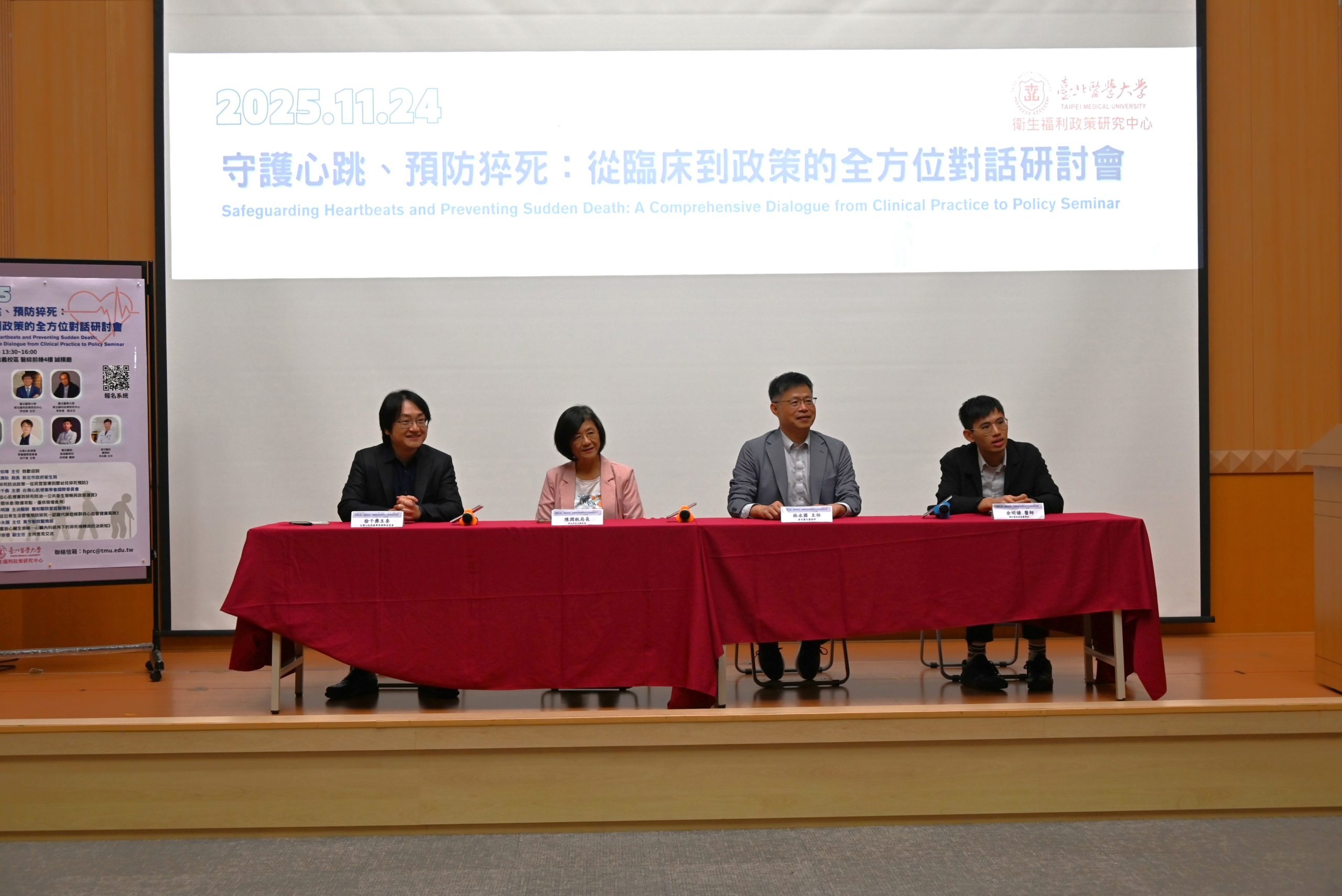
(From left to right: Dr. Chien-Yi Hsu, Chair of the International Committee of the Taiwan Society of Myocardial Infarction; Director-General Jen-Chiu Chen of the New Taipei City Department of Health; Dr. Yung-Kuo Lin, Director of the Department of Medical Affairs at Wanfang Hospital; and Dr. Ming-Chien Yu, Attending Physician in the Department of Family Medicine at Shuang Ho Hospital.)
Policy Recommendations and Conclusions
1. Continue advancing a lifespan-oriented cardiac health protection network, spanning pregnancy, infancy, childhood, and adulthood. This includes strengthening cardiac screening, safe sleep education, and early identification of metabolic abnormalities to reduce preventable high-risk events of sudden death.
2. Enhance acute and critical care pathways and establish cross-disciplinary decision-making mechanisms. Institutionalize shock teams and integrated cardiac care teams to minimize treatment gaps caused by single-specialty decision-making or manpower limitations.
3. Establish post-discharge follow-up and continuity-of-care management systems to ensure that individuals at high risk of myocardial infarction or sudden death do not fall into care gaps due to physician turnover or differences across medical institutions.
4. Continue leveraging technology to strengthen pre-hospital emergency detection and response capabilities, including improved ECG utilization, real-time risk identification, and optimized deployment of emergency equipment—ultimately reducing response time and improving overall emergency effectiveness.
5. Proactively promote health management for individuals with metabolic syndrome and other high-risk groups by fostering lifestyle changes—healthy diet, regular exercise, smoking cessation, and improved health literacy—to empower the public in self-management and reduce the risk of sudden death and major cardiovascular events.
Related News Links
2024.11.24 – Cold weather can trigger “life-or-death moments”! 90% of sudden deaths are linked to cardiovascular disease; only 50% of heart attacks show warning signs.
United Daily News
https://udn.com/news/story/7266/9159810
2024.11.24 – Only half of heart attack cases show symptoms. Doctor: Pain radiating to the shoulder or back for more than 10 minutes—call 119.
ETtoday Health
https://health.ettoday.net/news/3072631
2024.11.24 – Temperatures dropping to 14°C! Half of heart attacks occur without warning. Doctor warns: If “this symptom” lasts over 15 minutes, seek medical care immediately.
Storm Media
https://www.storm.mg/article/11083259
2024.11.24 – 50% of heart attacks have no symptoms. If chest tightness or pain lasts 10 minutes, calling 119 is the key to survival.
CTI News
https://ctinews.com/news/items/zMW5BX46aN
2024.11.25 – New Taipei City launches sudden-death prevention policy, building a prevention system for all age groups.
Da Ai TV
https://www.youtube.com/watch?v=p8TOuuxvvMc
2024.11.25 – Watch the 5 major metabolic indicators! Improve early to prevent metabolic syndrome from increasing the risk of sudden death.
HEHO Health
https://heho.com.tw/archives/370577
2024.11.25 – Cold weather increases risk of sudden death! 50% of heart attacks have no symptoms: If chest tightness or pain persists for 10 minutes without improvement, do this immediately.
CAVA
https://cava.tw/topic/news/261943


