EVENT PHOTOS
活動花絮



Symposium on Medical Misinformation and Governance Challenges in the Digital Media Era
【2026/03/23】
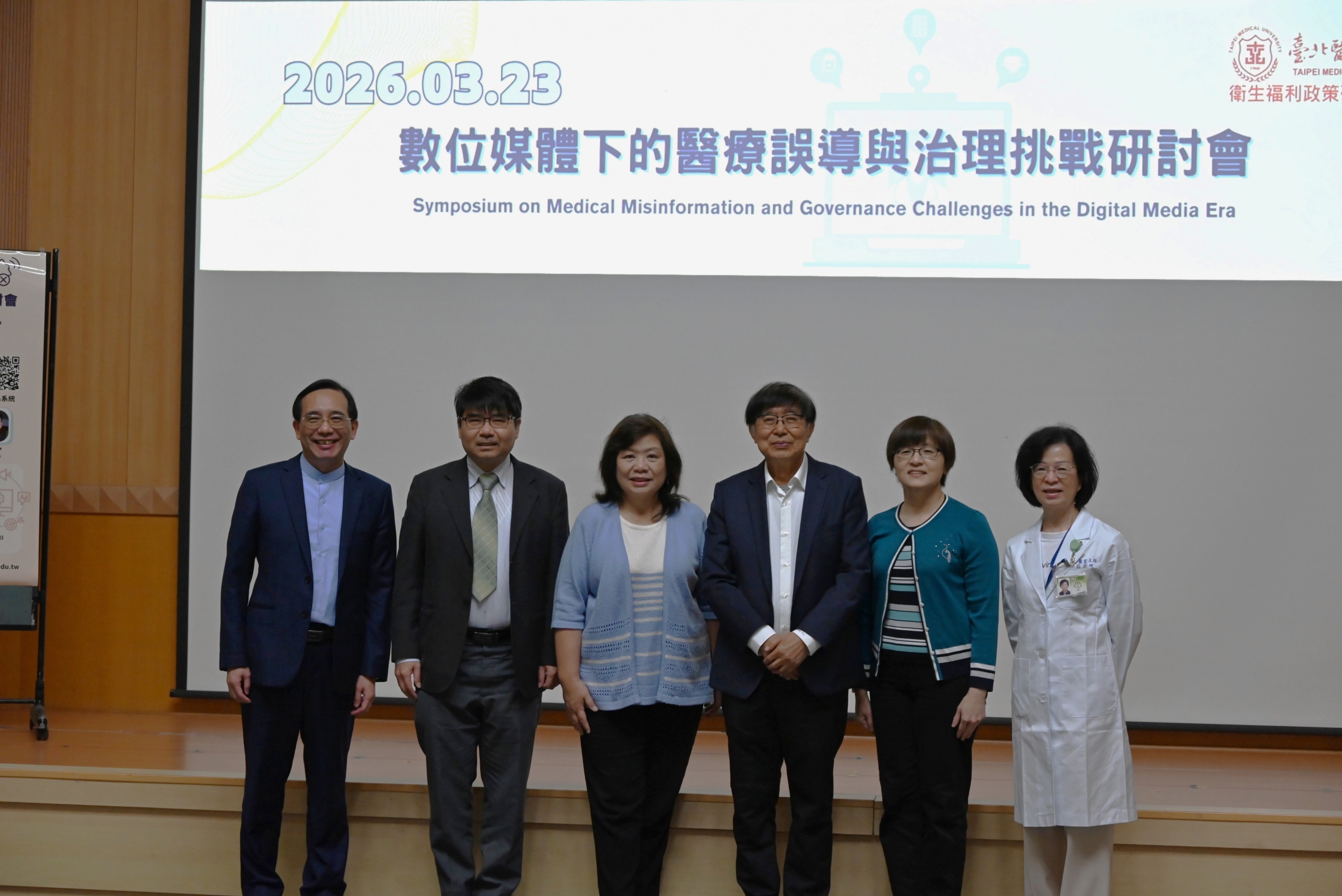
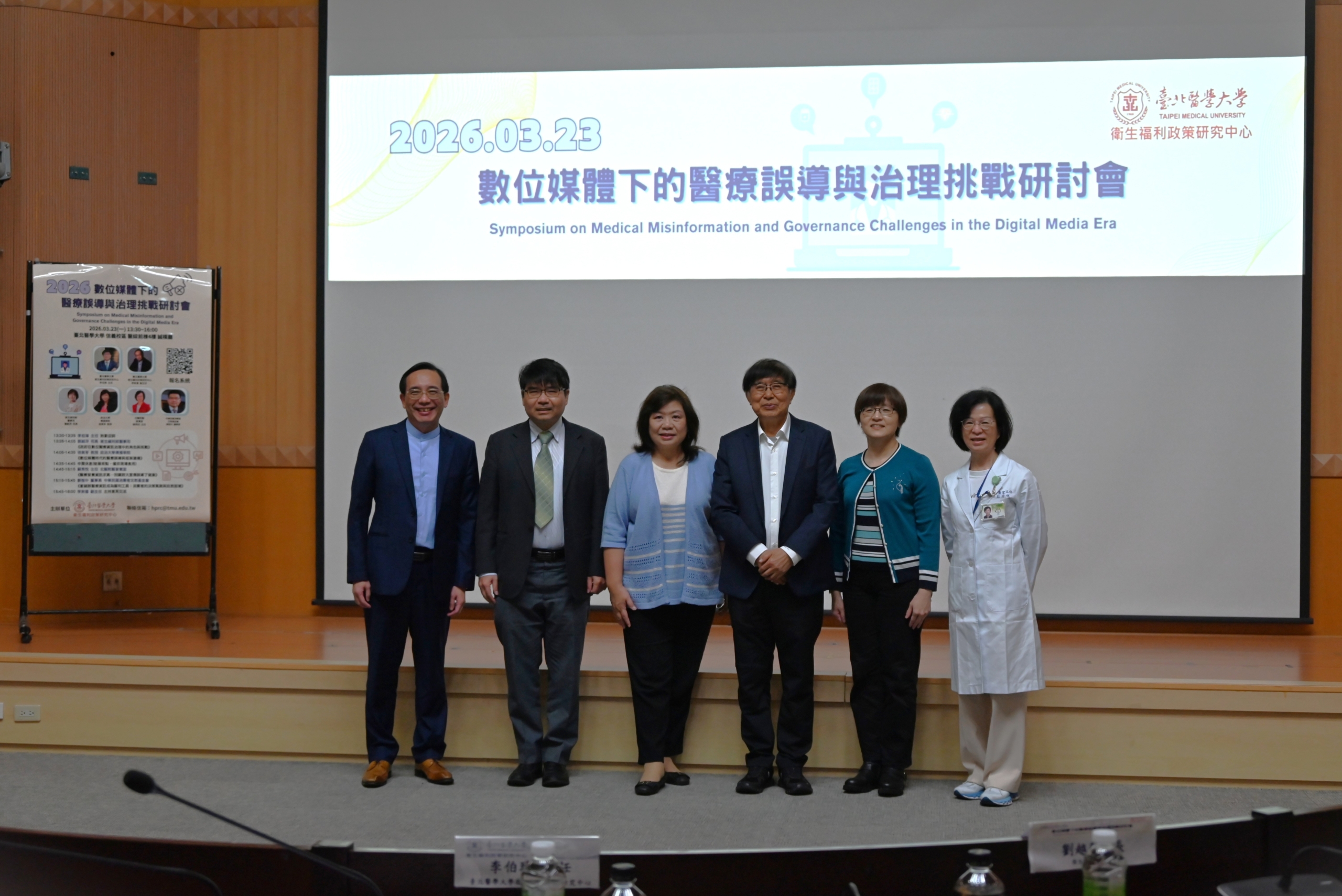
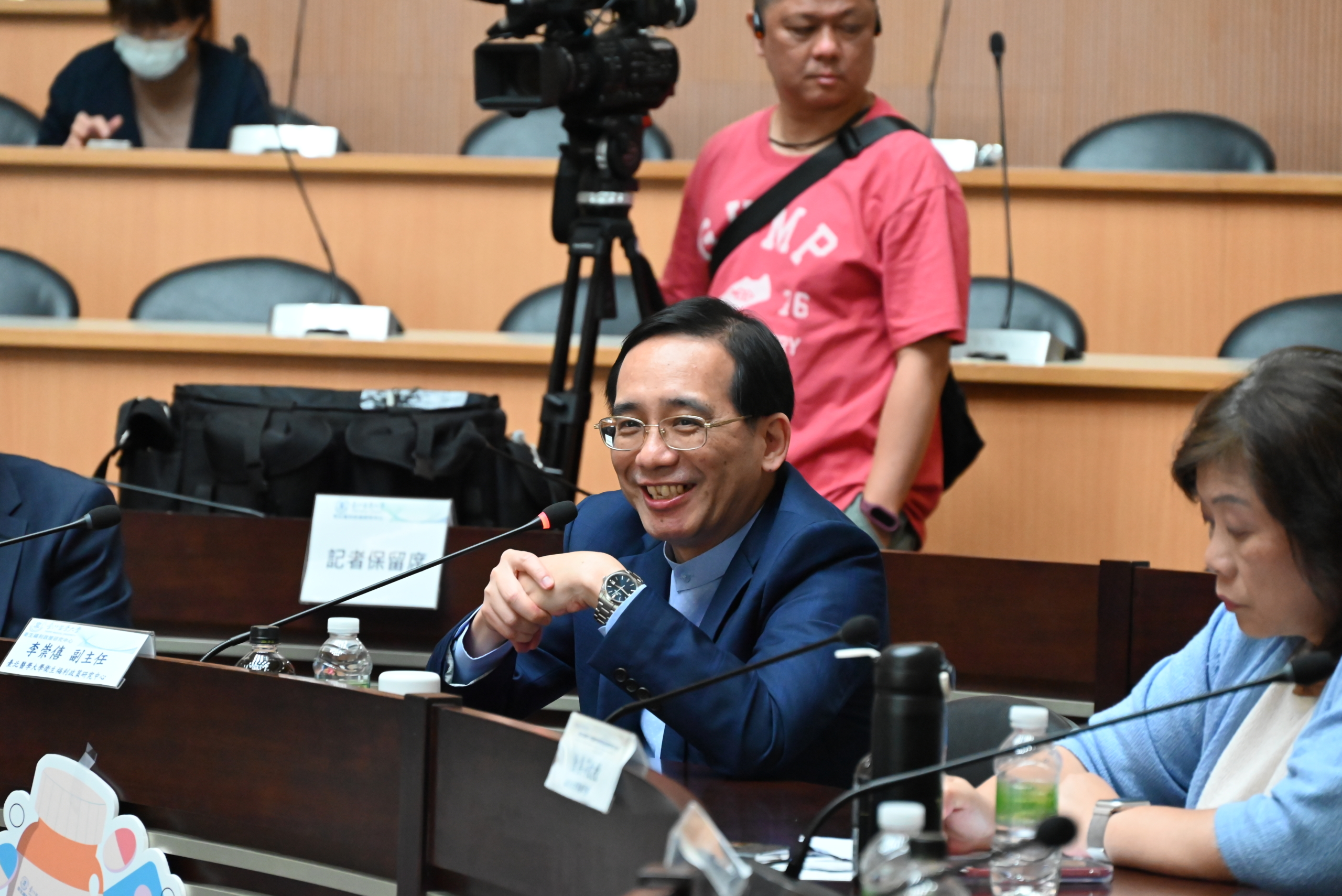
(From left to right: Associate Director Li Chung-Hsi of the Center for Health and Welfare Policy, Taipei Medical University; Chairman Deng Wei-Chung of the Consumers’ Foundation, Republic of China; Professor Hsu Mei-Ling of the College of Communication, National Chengchi University; Director Lee Po-Chang of the Center for Health and Welfare Policy, Taipei Medical University; Director Liu Yueh-Ping of the Department of Medical Affairs, Ministry of Health and Welfare; Director Su Hsiu-Yueh of the Department of Nutrition, Taipei Medical University Hospital)
The Center for Health and Welfare Policy at Taipei Medical University held a symposium titled “Symposium on Medical Misinformation and Governance Challenges in the Digital Media Era” on March 23, 2026. The event focused on the generation and dissemination of misleading medical and health information in digital media environments, as well as the governance challenges arising from these phenomena. Discussions also explored ways to enhance the credibility of medical information and improve the public’s ability to critically evaluate such information.
Center for Health and Welfare Policy, Taipei Medical University
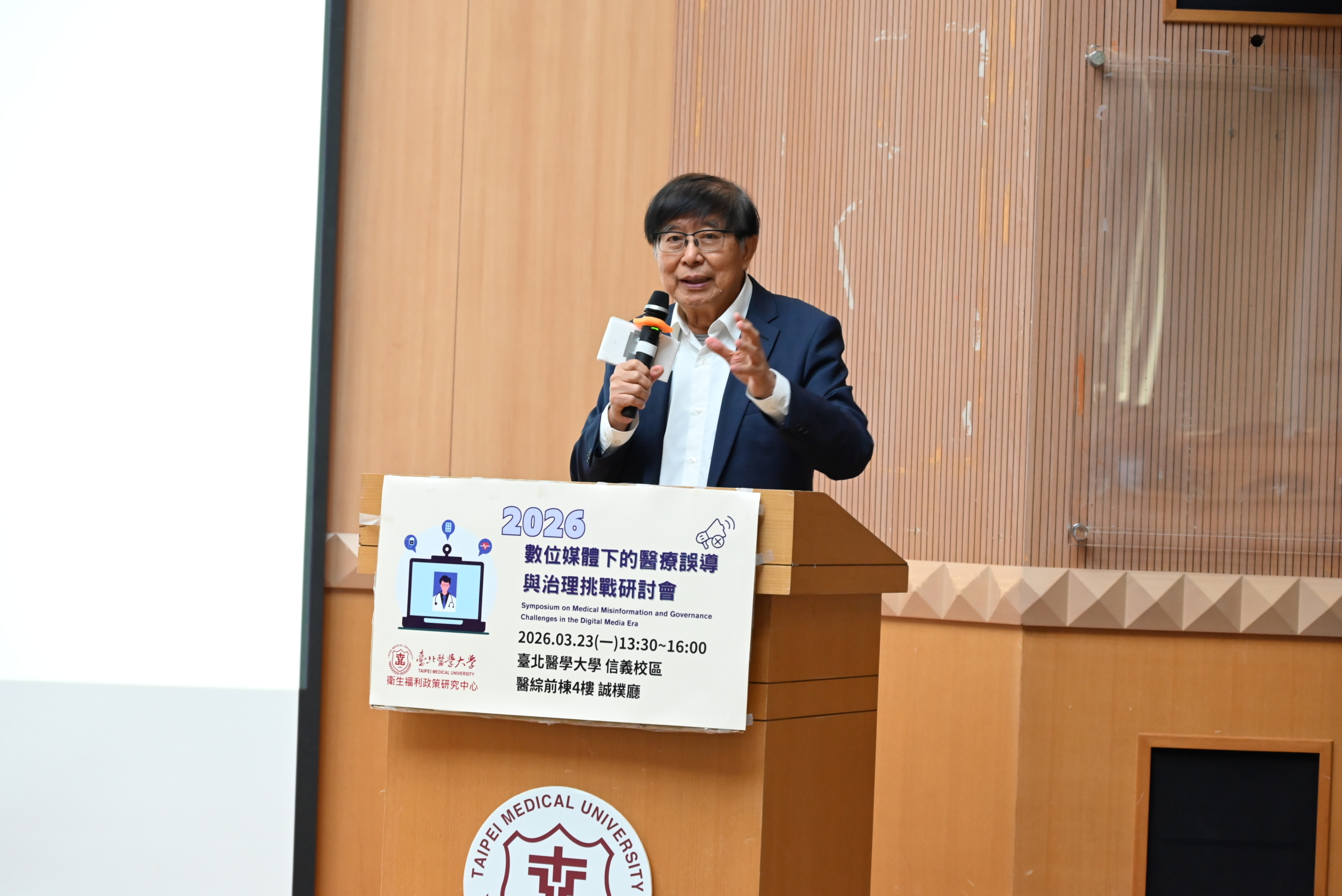
In his opening remarks, Director Lee Po-Chang noted that the issue of medical misinformation addressed by the symposium reflects a widespread and pressing societal phenomenon. Using dietary supplements as an example, he pointed out that advertisements often exaggerate their effectiveness, which may not align with actual outcomes and can even lead to fraud and misinformation. He expressed hope that the symposium would enhance public literacy in interpreting medical and health information, enabling individuals to better understand related issues and avoid making health decisions based on inaccurate information.
Department of Medical Affairs, Ministry of Health and Welfare
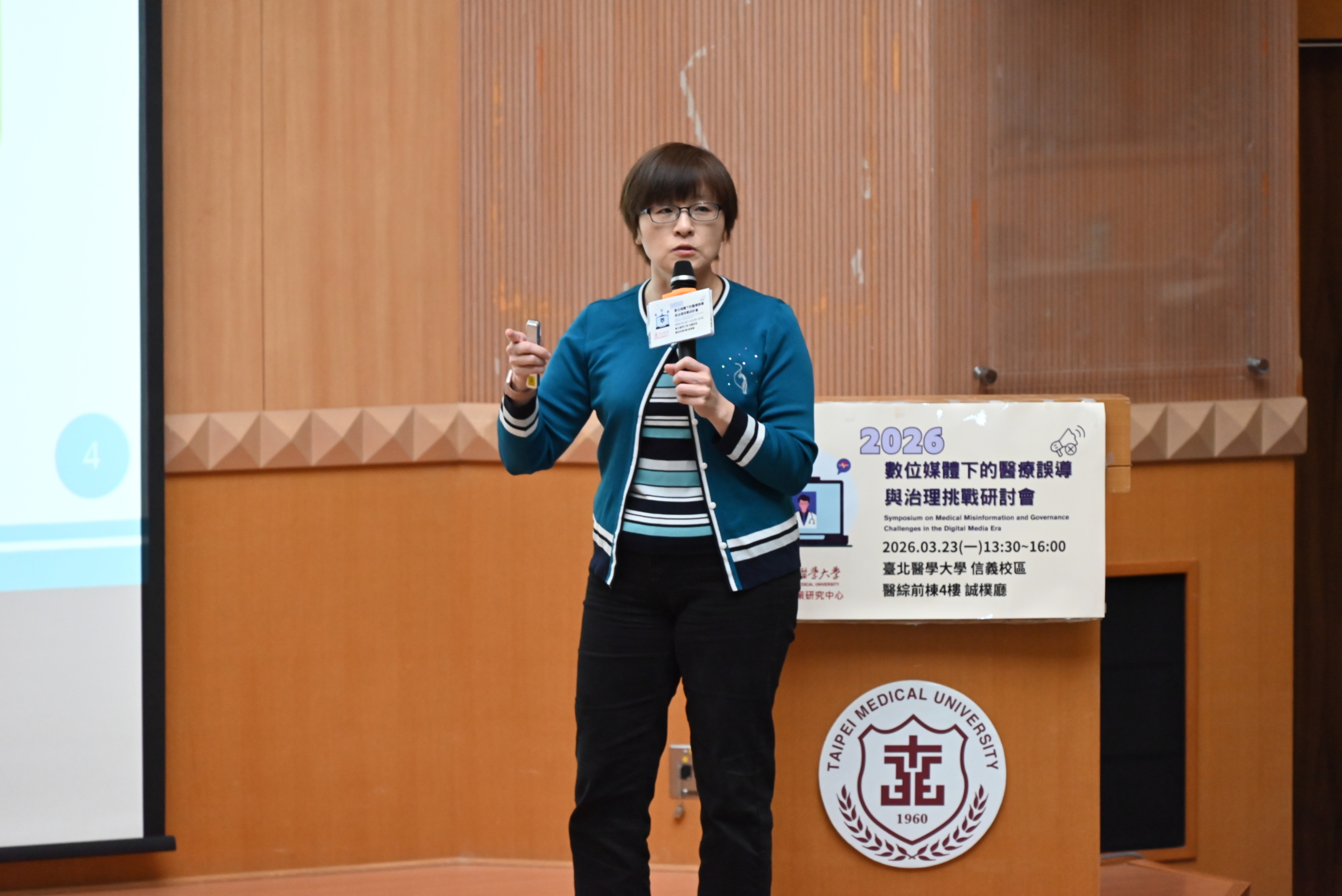
Director Liu stated that with the rapid development of digital media and generative AI, medical information is no longer solely produced by professionals but can now be easily accessed through the internet and social platforms. Information spreads faster, and the barriers to content creation are significantly lower. Statistics show that over 70% of the public have encountered such information, and more than 60% actively search for it, making the internet the primary source of health information. However, misinformation also spreads rapidly at low cost and large scale, with international studies indicating that a significant proportion of people have encountered or even believed such content.
She identified common types of misinformation, including exaggerated advertising, AI-generated fake doctors and fabricated expert content, unverified health remedies, and marketing materials disguised as news or expert interviews. She advised the public to remain vigilant—for example, by recognizing exaggerated claims, verifying physicians’ credentials, being cautious of terms like “natural” or “detox” without scientific evidence, and identifying seemingly objective content that actually promotes products or treatments.
Director Liu further explained that the current Medical Care Act primarily focuses on restricting advertisements and preventing misleading information. However, with the rise of social media, influencer marketing, cross-border content, and AI-generated materials, regulatory gray areas have emerged regarding content classification and accountability. Traditional containment approaches are no longer sufficient, and governance must evolve to a broader, more systematic level.
Going forward, the government will strengthen its roles as regulator, coordinator, and enabler by improving legal frameworks, establishing accountability mechanisms for platforms and AI (such as disclaimers like “not a medical diagnosis” and content removal systems), promoting cross-sector collaboration, and enhancing public health literacy and doctor–patient communication. She emphasized that the goal is not to eliminate all misinformation, but to reduce systemic risks, shorten its spread, and increase the visibility of accurate information, thereby creating a safer and more trustworthy medical information ecosystem.
College of Communication, National Chengchi University
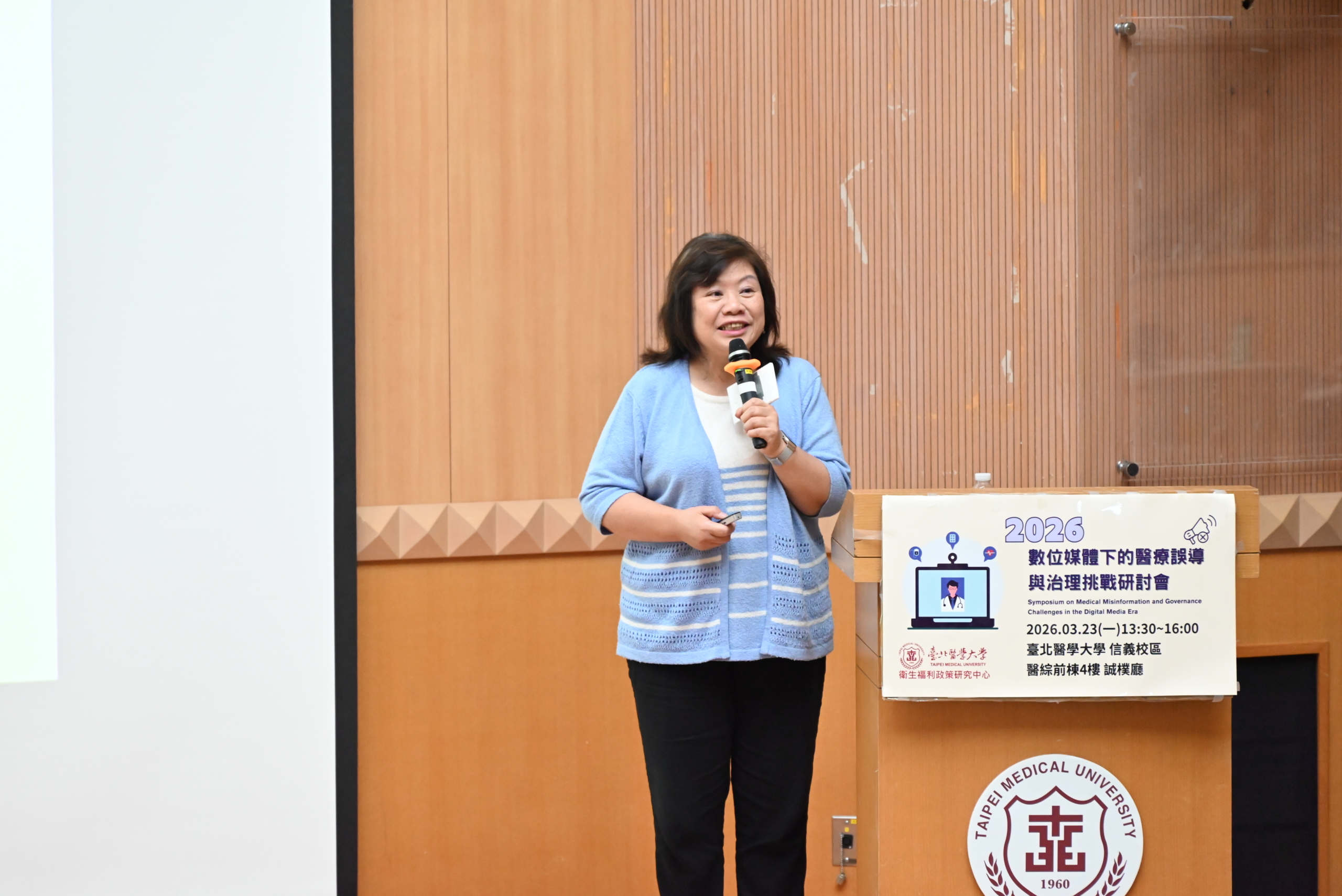
Professor Hsu noted that more than two-thirds of the global population uses social media, with nearly 80% of people in Taiwan actively engaged. While this increases access to health information, it also creates challenges in verifying credibility due to diverse sources.
She explained that digital media offers high reach, interactivity, and personalization. Through big data and AI, audiences can be segmented and targeted, while micro-influencers and user-generated content enhance trust and influence. Emerging technologies such as VR and mobile apps further improve health education and care. However, these same mechanisms can lead to “precision misinformation,” where algorithm-driven amplification favors sensational or emotionally charged content over professional medical knowledge and risk communication.
Professor Hsu highlighted key issues including the spread of misinformation, rising health anxiety, imitation of unsafe or unscientific behaviors, and hidden commercial manipulation. Algorithmic bias and echo chambers further reinforce one-sided information. Using weight-loss injections as an example, she noted that social media discussions often emphasize dramatic results and personal testimonials while downplaying indications, side effects, and medical supervision, resulting in distorted and polarized information.
She stressed that the problem is no longer isolated misinformation but a broader digital communication structure that amplifies attention-grabbing content while weakening scientific evidence. Therefore, beyond government and platform collaboration, improving public health literacy is essential—enabling individuals to assess credibility, understand risks and efficacy, and identify commercial intent in order to make informed health decisions.
Department of Nutrition, Taipei Medical University Hospital
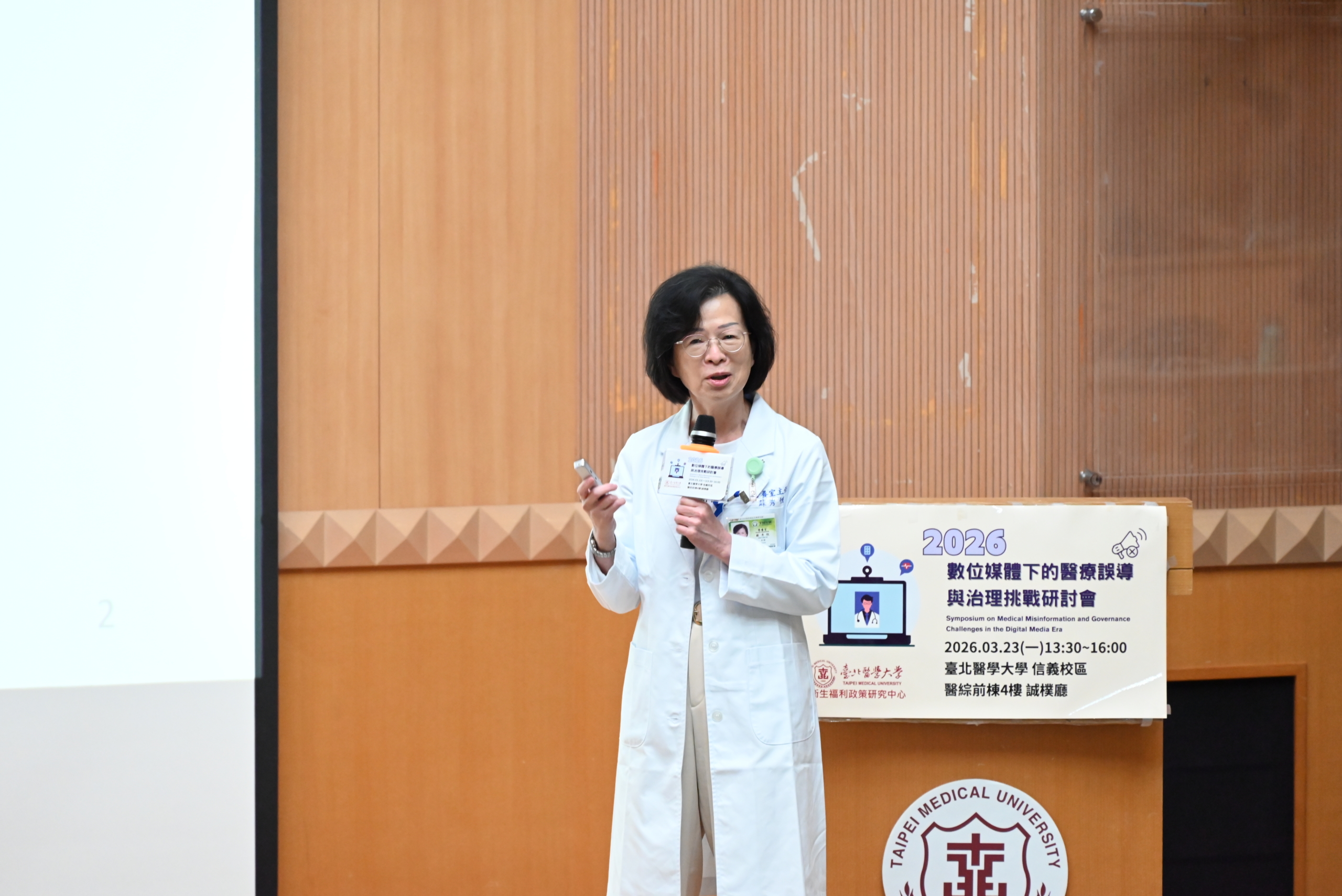
Director Su pointed out that in today’s digital media environment, people are exposed to a large volume of dietary supplement and health-related information daily. The issue is not only information overload but also exaggerated marketing and psychological influences that make such claims more persuasive.
She noted that the market is filled with terms like “miraculous effects,” “reversal,” and “rapid results,” often combined with influencer endorsements and misleading data usage. These tactics can exploit health anxiety, leading to irrational purchasing decisions and even delaying proper medical treatment. In Taiwan, there are over 8,000 cases of illegal advertisements related to food, drugs, and cosmetics each year, with fines exceeding NT$370 million. However, compared to industry revenues, these penalties remain relatively insignificant, indicating widespread violations and low deterrence.
Director Su emphasized the importance of understanding product classifications. “Health foods” must be government-approved and carry the “Little Green Man” label, with only 13 legally recognized health claims permitted. In contrast, most “dietary supplements” and “functional products” are classified as general foods and are not allowed to claim therapeutic effects. Claims related to disease treatment are considered illegal or misleading.
She also warned against common misconceptions such as “natural means effective” or “more is better,” noting that excessive intake can harm health. She recommended four key principles for consumers: stay rational, check packaging, verify sources, and consult professionals, along with verifying target audience, source credibility, endorsements, and supporting evidence. Ultimately, she stressed that supplements cannot replace medical treatment, and maintaining health depends on balanced nutrition and a healthy lifestyle, alongside improved health literacy.
Consumers’ Foundation, Republic of China
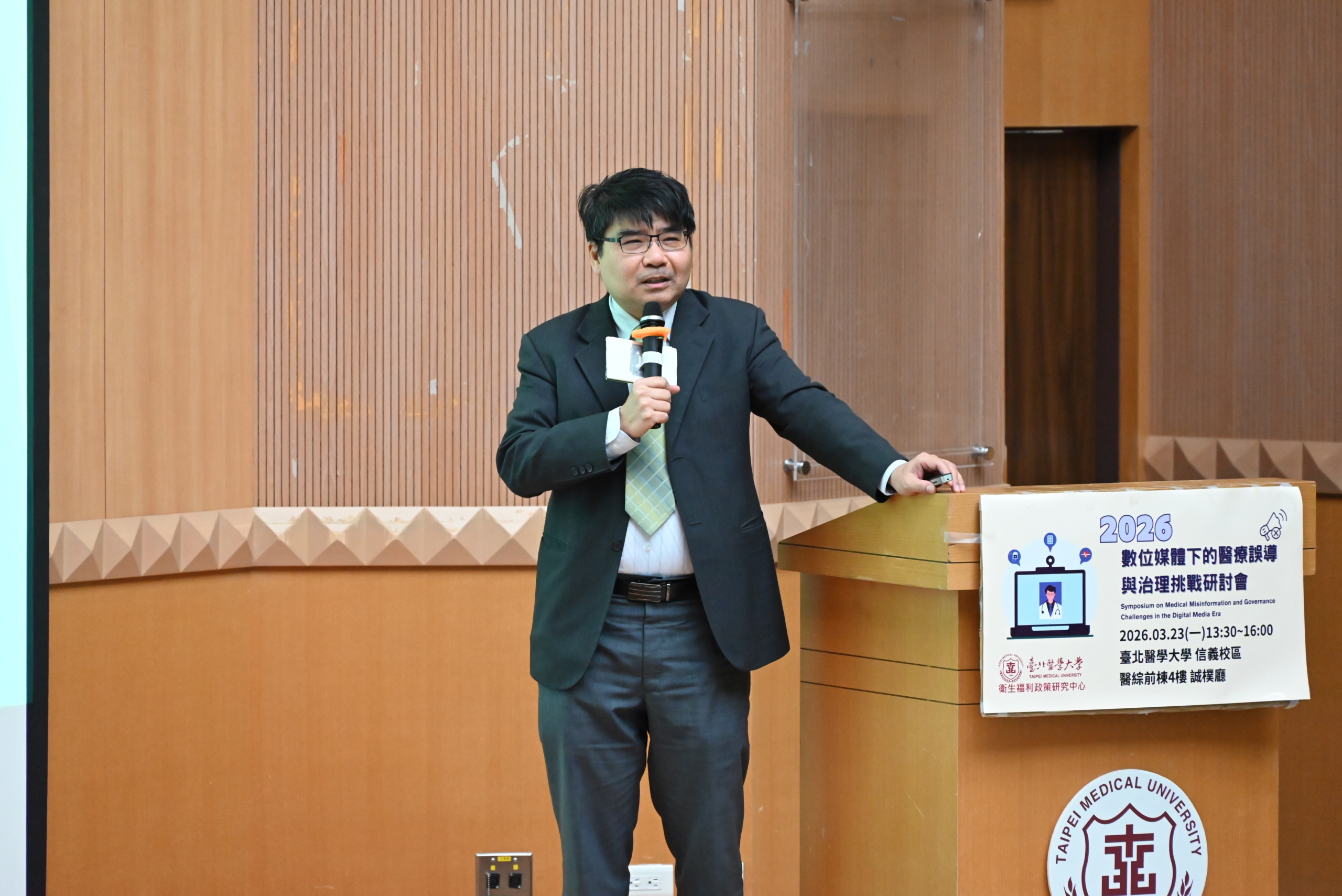
Chairman Deng noted that with the rise of digital media and AI, the cost of spreading misleading medical and health information has significantly decreased, evolving into a commercialized model aimed at monetization. He pointed out that fewer than 20 medical consumer complaints are filed annually, largely because treatment outcomes vary and businesses often evade responsibility by attributing results to individual differences.
He further explained that a full “misinformation ecosystem” has emerged, where unethical operators exploit health anxiety and information asymmetry through exaggerated claims, fake testimonials, and social media strategies. Digital platforms, as key intermediaries, often rely on passive takedown mechanisms or shift responsibility to users, allowing problematic content to repeatedly reappear. Combined with insufficient inter-agency coordination, this creates governance challenges.
Chairman Deng emphasized that consumers are already in a disadvantaged position due to information asymmetry and algorithmic influence. Requiring them to collect evidence and navigate complex complaint procedures effectively forces them to “become experts” to protect themselves, which is unreasonable. He recommended strengthening platform accountability through legislation, linking legal responsibility for health-related advertisements to platforms, increasing penalties, and establishing a dedicated agency similar to Japan’s National Consumer Affairs Center to improve governance effectiveness.
March 23, 2026
The Proliferation of Digital Medical Misinformation Raises Concerns; Experts Call for Stronger Governance and Improved Public Literacy
United Daily News
https://udn.com/news/amp/story/7314/9397880
March 23, 2026
Don’t Trust AI “Fake Doctors”! Ministry of Health and Welfare Teams Up with Ministry of Digital Affairs to Promote Rapid Takedown of Medical Misinformation
China Times
https://www.chinatimes.com/realtimenews/20260323003560-260405?chdtv
March 23, 2026
Searching Online Before Seeing a Doctor? AI Fake Doctors and Online Remedies Run Rampant; MOHW Promotes Rapid Takedown Mechanism
NOWnews
https://reurl.cc/aXnL6X
March 23, 2026
Growing Chaos in AI Medical Information; Experts Urge Stronger Digital Governance
Merit Times
https://www.merit-times.com/news/505899
March 24, 2026
“AI Fake Doctors” Spreading Misinformation! Deepfake Videos Flood YouTube — Three Key Tips to Avoid Being Misled
United Daily News
https://udn.com/news/story/7266/9398429
March 24, 2026
“Feeling Unwell? Ask AI First” — Misinformation May Lead to Delayed Medical Treatment
TTV News
https://www.youtube.com/shorts/Ravq9MJmQOI
March 24, 2026
Low Cost of Misinformation in the AI Era; Taipei Medical University Discusses Enhancing Public Literacy
PTS News
https://www.youtube.com/watch?v=zeGEUTuwpY4
March 24, 2026
Increasingly Complex Medical Terminology… Patients Consult AI Before Seeing Doctors, Heightening Doctor–Patient Tensions
United Daily News
https://reurl.cc/Dxyj4R


