
【Event Report】Symposium on the Long-Term Care 3.0 Policy Blueprint and Emerging Trends and Future Prospects in Elderly Care
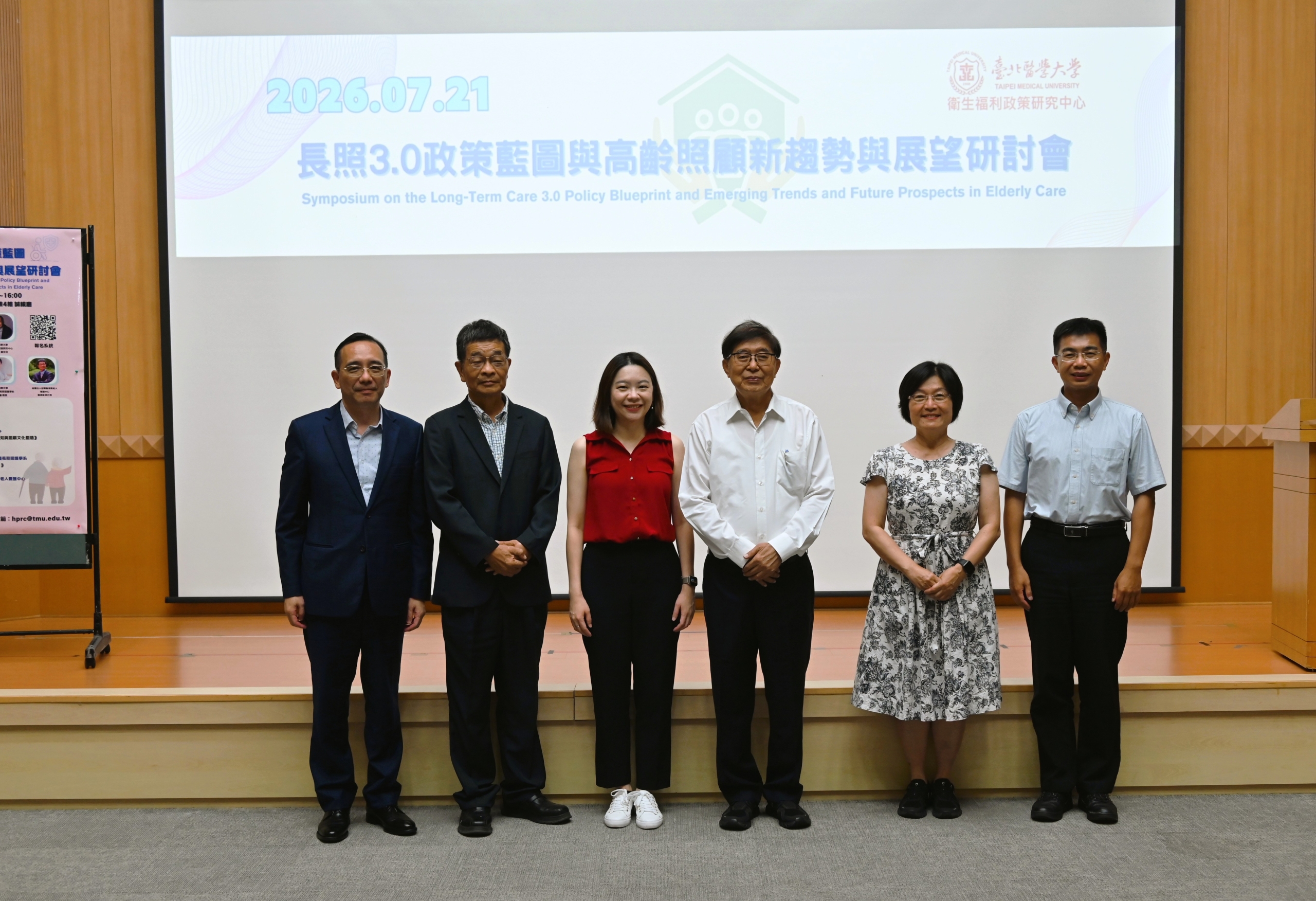
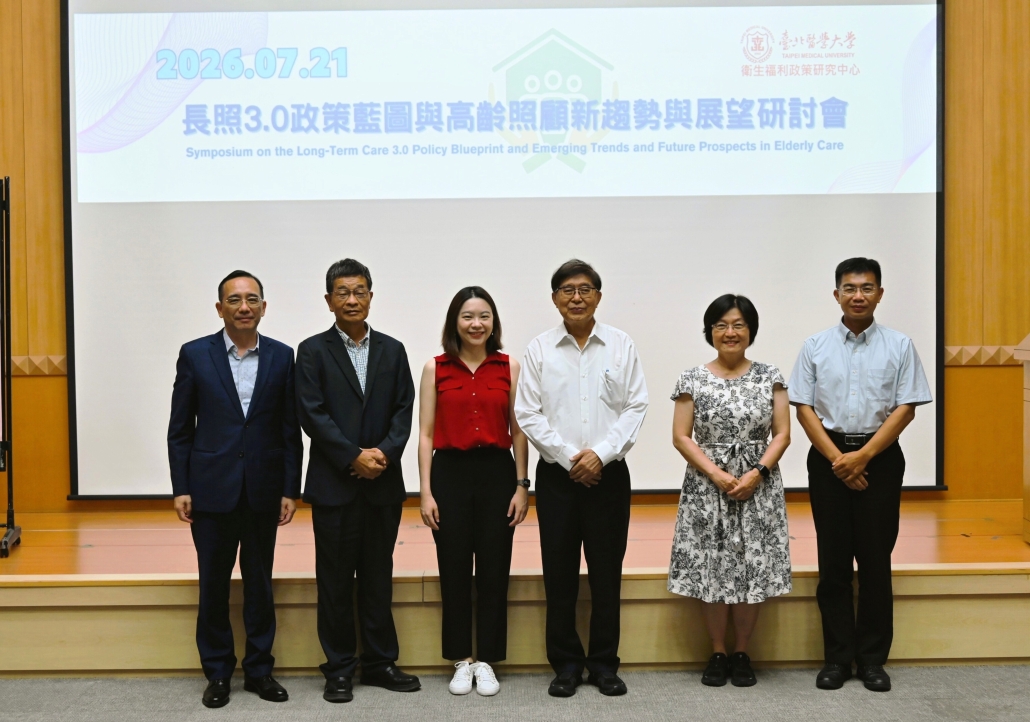
(From left to right: Deputy Director of the Taipei Medical University Health and Welfare Policy Research Center, Lee Chung-Hsi; CEO of Hai Ching Elderly Care Center, Lai Tien-Fu; Editor-in-Chief of Taiwan’s largest senior media outlet “50+,” Wang Mei-Chen; Director of the Taipei Medical University Health and Welfare Policy Research Center, Lee Po-Chang; Director of the Department of Long-Term Care, Ministry of Health and Welfare, Chu Chien-Fang; Professor of the Department of Gerontology and Long-Term Care, Taipei Medical University, Lin Li-Feng.)
The Taipei Medical University Health and Welfare Policy Research Center held the symposium “The Long-Term Care 3.0 Policy Blueprint and Emerging Trends and Future Prospects in Elderly Care” on July 21, 2026. The symposium systematically explored the key elements of the Long-Term Care 3.0 policy framework, directions for service model transformation, and implementation challenges, fostering dialogue among policymakers, practitioners, academia, and society while building broader consensus on long-term care policies.
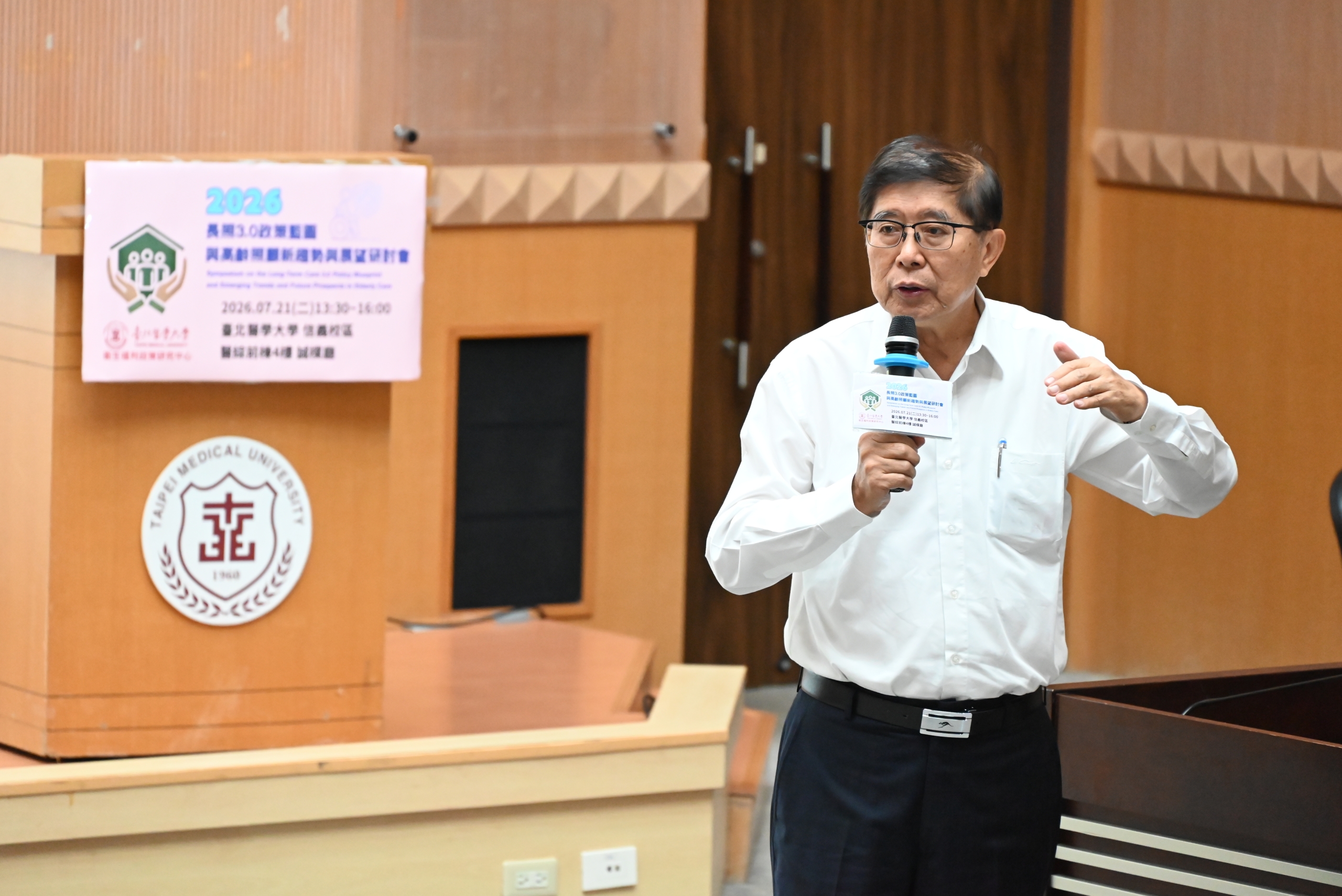
Director of the Taipei Medical University Health and Welfare Policy Research Center
Lee Po-Chang
In his opening remarks, Director Lee Po-Chang stated that Taiwan has officially entered a super-aged society, and population aging has become a major challenge that every generation must collectively address. Establishing a comprehensive and sustainable long-term care system is a shared goal requiring collaboration between the government and all sectors of society. He expressed hope that this symposium would help strengthen social consensus and promote further discussion on long-term care policies.
Director of the Department of Long-Term Care, Ministry of Health and Welfare
Chu Chien-Fang
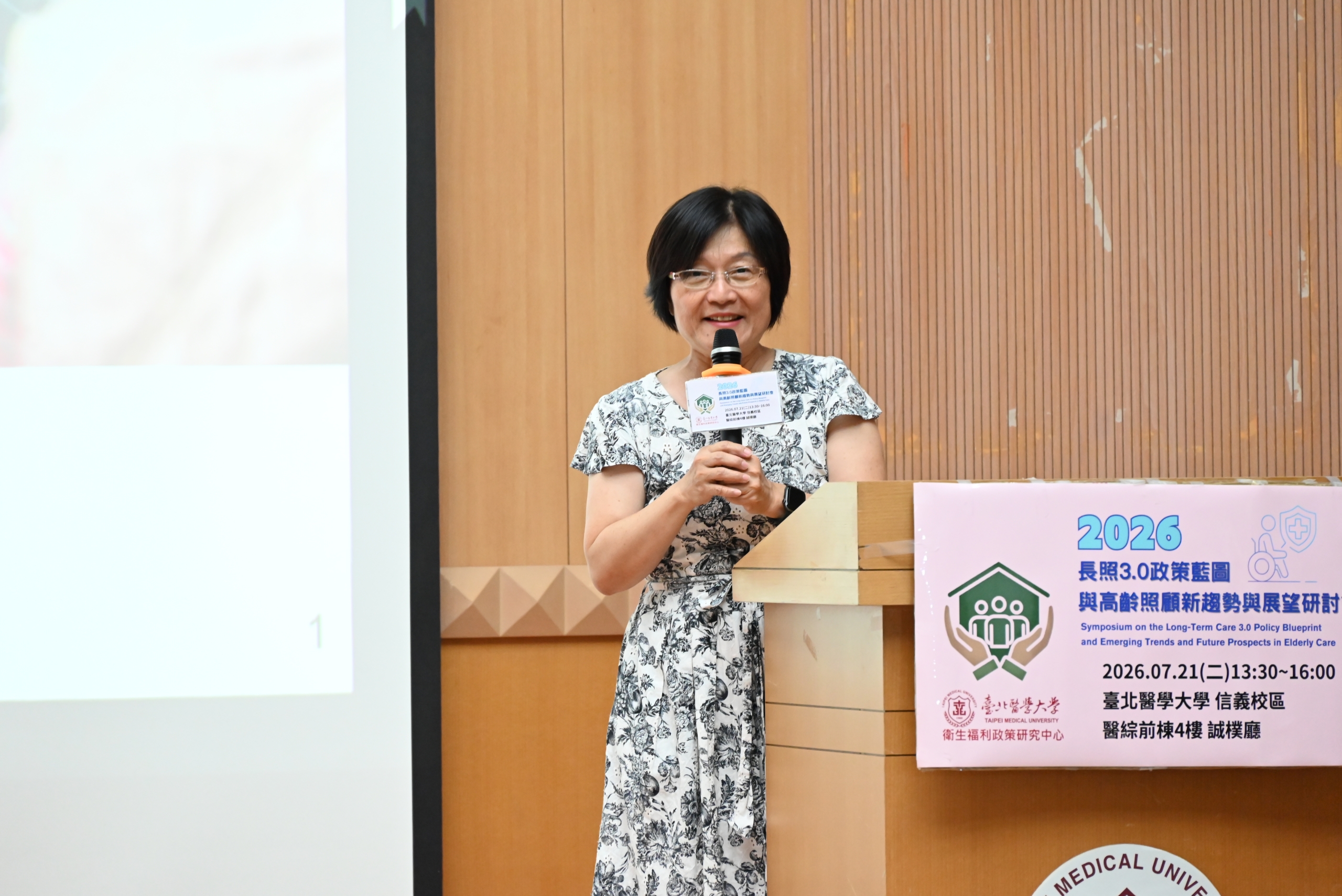
Director Chu stated that Taiwan has entered a super-aged society, and according to projections, the number of people with disabilities in Taiwan is expected to increase from approximately 920,000 currently to nearly 1.3 million by 2035. The number of people living with dementia is also expected to continue rising.
She noted that after nine years of implementation, Long-Term Care 2.0 has achieved significant progress, with service satisfaction reaching 90%. Budget allocation, service locations, caregiving workforce, and the number of service users have all increased substantially. The average waiting time for connecting discharged patients with long-term care services has also been reduced from 51 days in 2017 to approximately 4 days today, with a future goal of shortening this to an average of 2 days.
Building upon the foundation of Long-Term Care 2.0, Long-Term Care 3.0 will continue to enhance the system by introducing dedicated sections for people with dementia and disabilities, maintaining a dedicated section for Indigenous populations, and expanding eligibility for foreign family caregivers to access day care and family-based care services.
The new policy will also increase coverage of functional assessment services for older adults from 15% to 50%, expand long-term care service coverage from 82% to 89%, and include younger people with dementia and disabilities, post-acute care (PAC) recipients with disabilities regardless of age, and eligible disabled foreign professionals.
In addition, hospitals will be encouraged to provide simplified care plans, with the goal of enabling patients to seamlessly connect with long-term care services on the day of discharge. Future initiatives will include home-based acute care, integrated medical services in residential care facilities, integration of National Health Insurance and long-term care information systems, and smart technology-enabled care to improve service quality and efficiency.
Since 2026, several new measures have been gradually implemented, including increasing the special long-term care tax deduction from NT$120,000 to NT$180,000, including eligible disabled foreign professionals as service recipients, and providing subsidies of up to NT$60,000 every three years for smart technology assistive devices.
Director Chu emphasized that the government will continue to collaborate with all sectors to advance Long-Term Care 3.0 and build a resilient and sustainable long-term care system. This will support President Lai Ching-te’s “National Hope Project” vision by achieving healthy aging, aging in place, and dignified end-of-life care.
Editor-in-Chief of Taiwan’s Largest Senior Media Outlet “50+”
Wang Mei-Chen
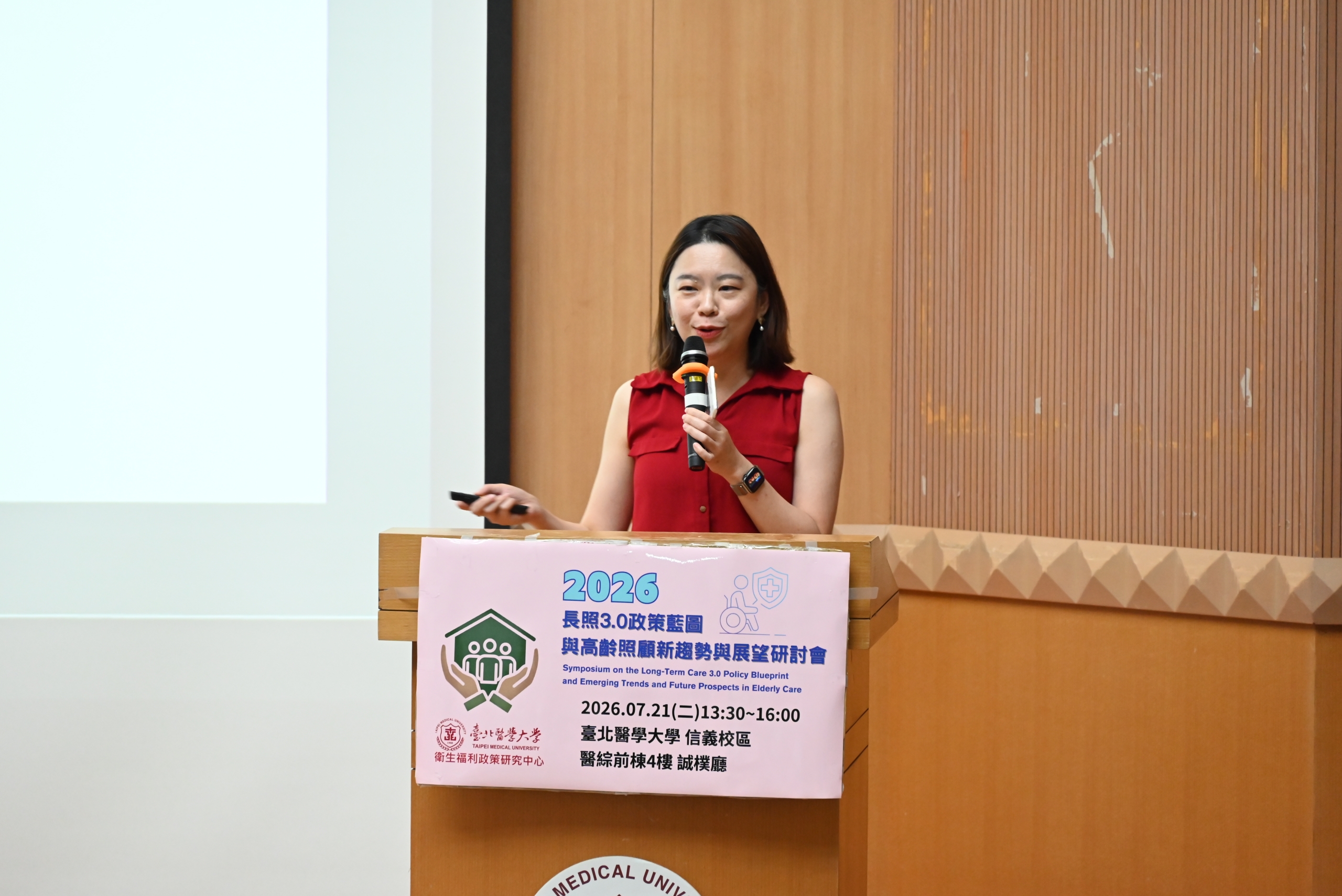
Editor-in-Chief Wang stated that Taiwan officially entered a super-aged society in 2025, and long-term care has gradually evolved from an issue faced by only a small number of families into a major social concern shared by the entire population.
She noted that media not only reflects social realities but also profoundly shapes public understanding of long-term care, caregivers, and aging.
The concept of “caregiver” has continuously evolved with social changes. Initially referring mainly to professionals working in psychiatric institutions or care facilities, the term has expanded to include family caregivers, reflecting the reality that caregiving has become a life issue that anyone may encounter.
Reviewing the development of media coverage, Wang explained that early reports often focused on filial piety, dedication, and sacrifice. In recent years, coverage has shifted toward topics such as caregiving crises, caregiver burden, and aging-related challenges. While such reporting has raised social awareness, it may also increase public anxiety about caregiving. Therefore, media should move from a “problem-oriented” approach toward a “solution-oriented” approach.
She introduced the international concept of Solutions Journalism, emphasizing that reporting should not merely highlight problems but should further explore how people address challenges by sharing successful experiences, innovative models, and practical approaches.
Wang emphasized that policy communication presented through accessible and practical formats can help citizens quickly understand how policies respond to their needs, thereby improving communication effectiveness.
Facing a super-aged society, media should shift from emphasizing crises and burdens toward promoting balanced caregiving, self-care, community support, and cross-sector collaboration. By integrating resources from government, businesses, industries, and communities, society can build a more resilient caregiving culture and present diverse images of older adults, including lifelong learning, healthy aging, and independent living.
Professor of the Department of Gerontology and Long-Term Care, Taipei Medical University
Lin Li-Feng
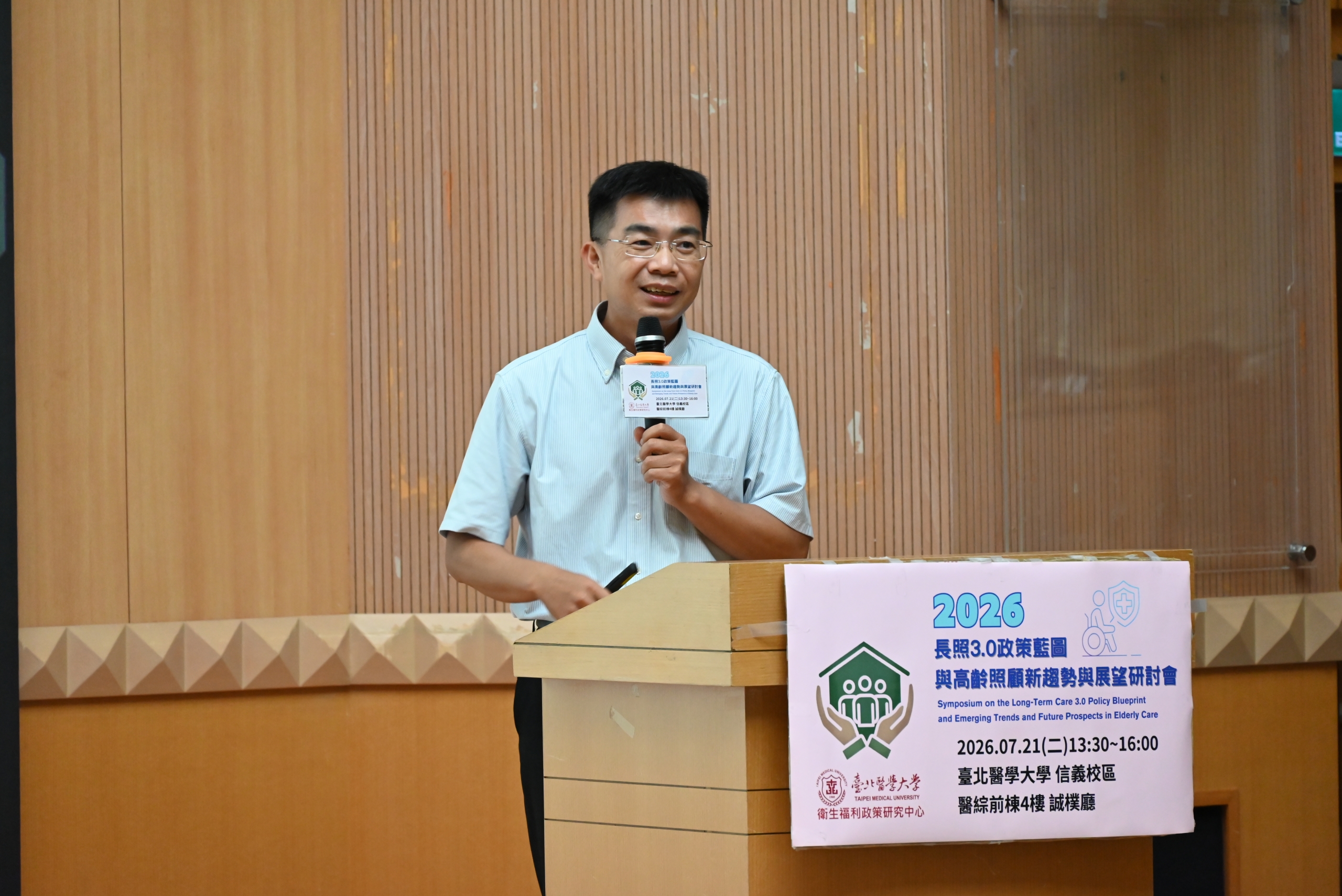
Professor Lin stated that smart assistive technology will become increasingly important as Taiwan enters a super-aged society. However, public awareness and understanding of assistive devices remain insufficient. Enhancing public knowledge and utilization of these technologies is essential to making assistive devices an important support system for older adults.
Smart assistive technology is also a key component of Long-Term Care 3.0. The government has incorporated smart technology assistive devices into major long-term care initiatives, including subsidies for smart mobility and smart toileting technologies.
Professor Lin explained that smart assistive devices provide more than physical support. Through sensors and digital systems, they can collect physiological data and activity information, allowing caregivers to monitor older adults’ health conditions in real time and improve care quality and efficiency.
The introduction of smart technology can also reduce caregiver burden and attract younger professionals into the long-term care sector. Combined with the Ministry of Labor’s Job Redesign Program, these technologies can improve working environments and increase caregiver retention.
Professor Lin encouraged universities to utilize University Social Responsibility (USR) programs to cultivate smart care professionals and promote knowledge of assistive technologies.
He shared that his team has actively promoted home safety and assistive technology education in recent years, developing smart care solutions for older adults living alone through USR initiatives. Through innovative design courses, students have also developed related technologies, including an exoskeleton assistive device that was showcased in exchanges in Switzerland and Japan.
Professor Lin concluded that promoting smart care requires continued government investment, increased public awareness, cross-ministerial and interdisciplinary collaboration, industry-academia partnerships, and university social responsibility initiatives to cultivate talent and drive innovation in long-term care services.
CEO of Hai Ching Elderly Care Center
Lai Tien-Fu
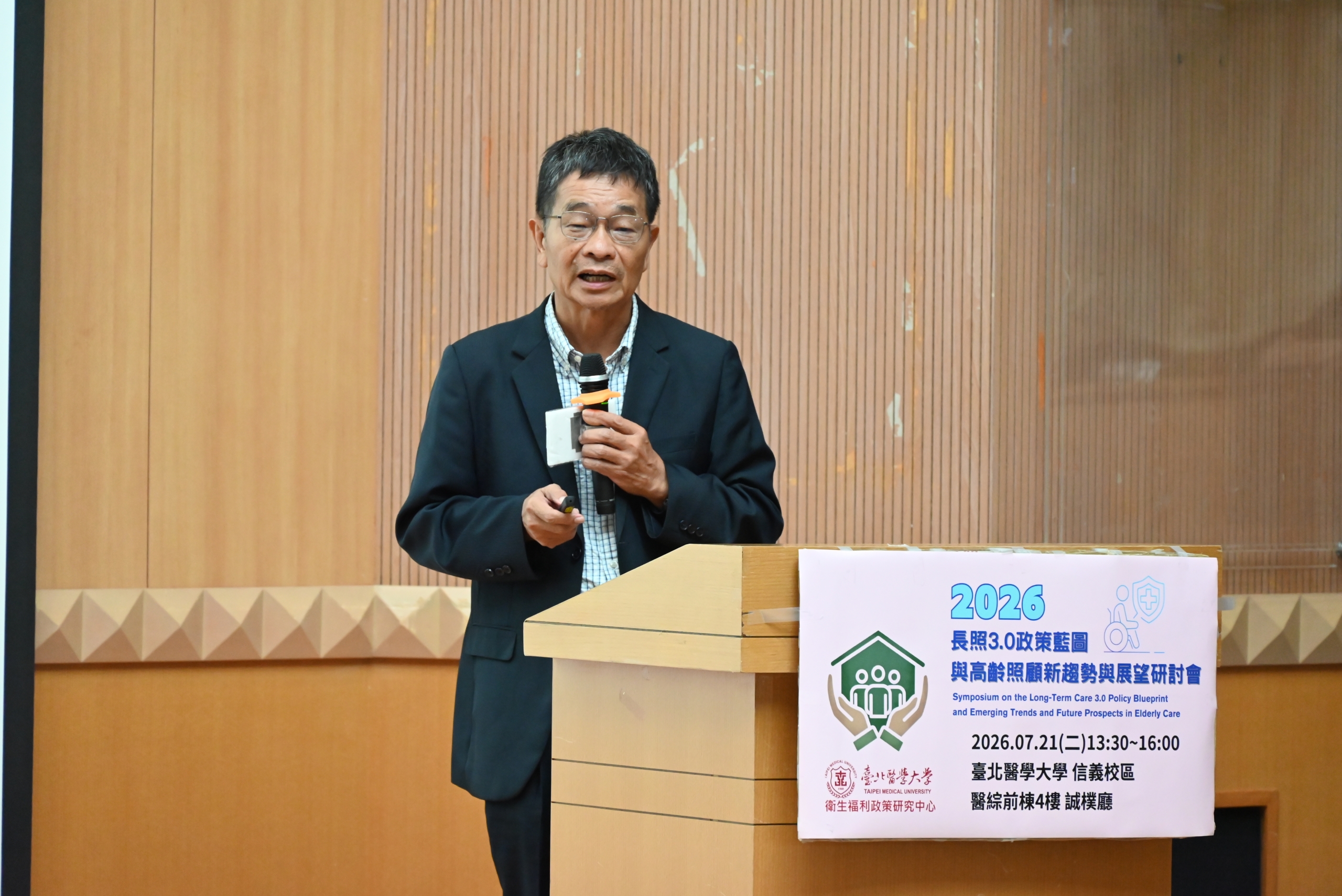
CEO Lai stated that although residential long-term care facilities continue to increase their available beds, shortages of caregiving personnel have resulted in a situation where “beds are available but difficult to access,” demonstrating a significant gap in residential care capacity.
Currently, residential care facilities and group homes are not fully incorporated into the long-term care subsidy system. As a result, residents must bear relatively high out-of-pocket expenses, which affects families’ willingness to use services and limits institutional development.
He suggested that the government review current subsidy mechanisms and establish a fairer and more consistent resource allocation system to reduce family caregiving burdens.
Regarding workforce challenges, Lai noted that residential facilities must provide 24-hour care, resulting in high workloads and recruitment difficulties. In addition to continuing caregiver training, the government should improve working conditions and compensation to increase workforce retention.
Looking ahead, Lai stated that residential long-term care facilities will move toward larger-scale operations, corporatization, and public-private partnership models. By activating unused school buildings, social housing, and public facilities, service capacity can be expanded. Integration with healthcare, health management, smart technology, and wellness services can further improve care quality and added value.
Lai emphasized that although long-term care is not a highly profitable industry, it carries significant public value and development potential. Facing the challenges of a super-aged society, the government should continue improving regulations, strengthening subsidy mechanisms, expanding caregiving workforce capacity, and increasing residential care resources to build a more resilient and sustainable long-term care system.


