EVENT PHOTOS
活動花絮


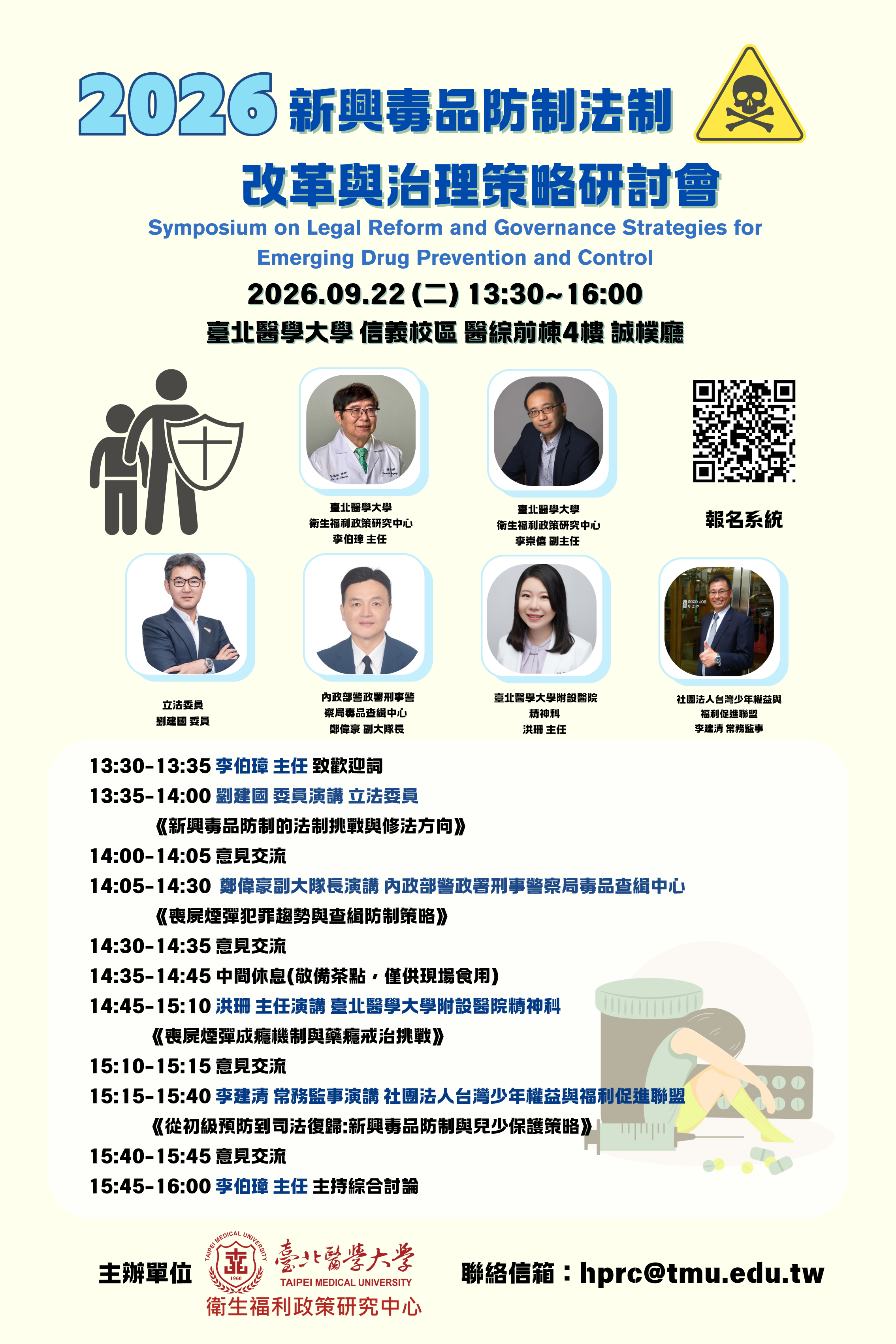
Symposium on Legal Reform and Governance Strategies for Emerging Drug Prevention and Control
【2026/09/22】
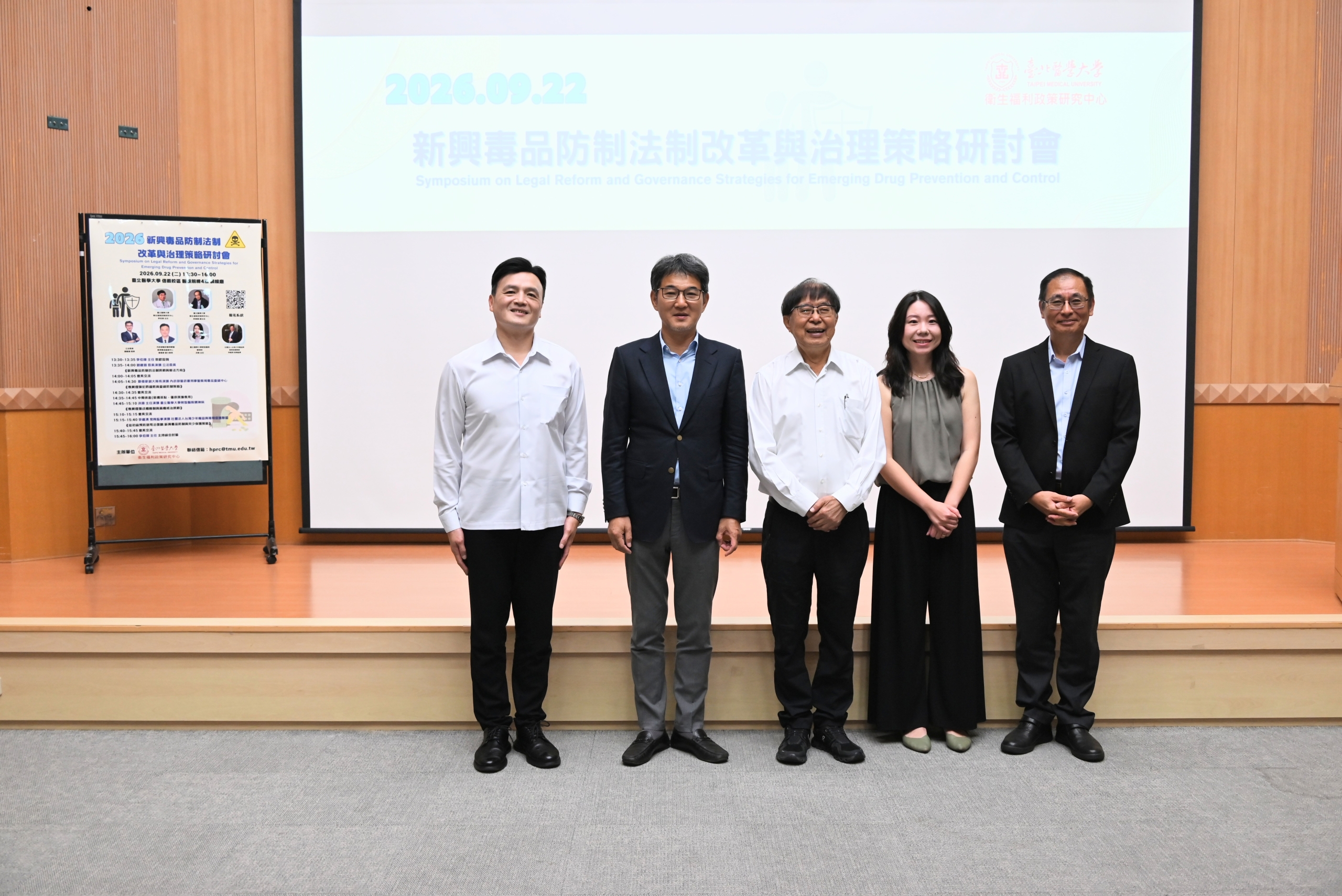
(From left to right: Cheng Wei-Hao, Deputy Captain, Drug Enforcement Center, Criminal Investigation Bureau, National Police Agency, Ministry of the Interior; Legislator Liu Chien-Kuo; Lee Po-Chang, Director, Research Center for Health and Welfare Policy, Taipei Medical University; Hung Shan, Director, Center for Addiction and Suicide Prevention and Psychiatrist, Taipei Medical University Hospital; and Lee Chien-Ching, Executive Supervisor, Taiwan Alliance for Advancement of Youth Rights and Welfare.)
On September 22, 2026, the Research Center for Health and Welfare Policy at Taipei Medical University convened the “Seminar on Legal Reform and Governance Strategies for Emerging Drug Prevention.” The seminar systematically examined key issues including emerging trends in “zombie vape”–related drug offenses and law enforcement mechanisms, legal challenges and directions for legislative reform in emerging drug prevention, the mechanisms of etomidate addiction and strategies for addiction treatment, as well as emerging drug prevention on school campuses and measures to protect children and adolescents.
Lee Po-Chang, Director, Research Center for Health and Welfare Policy, Taipei Medical University
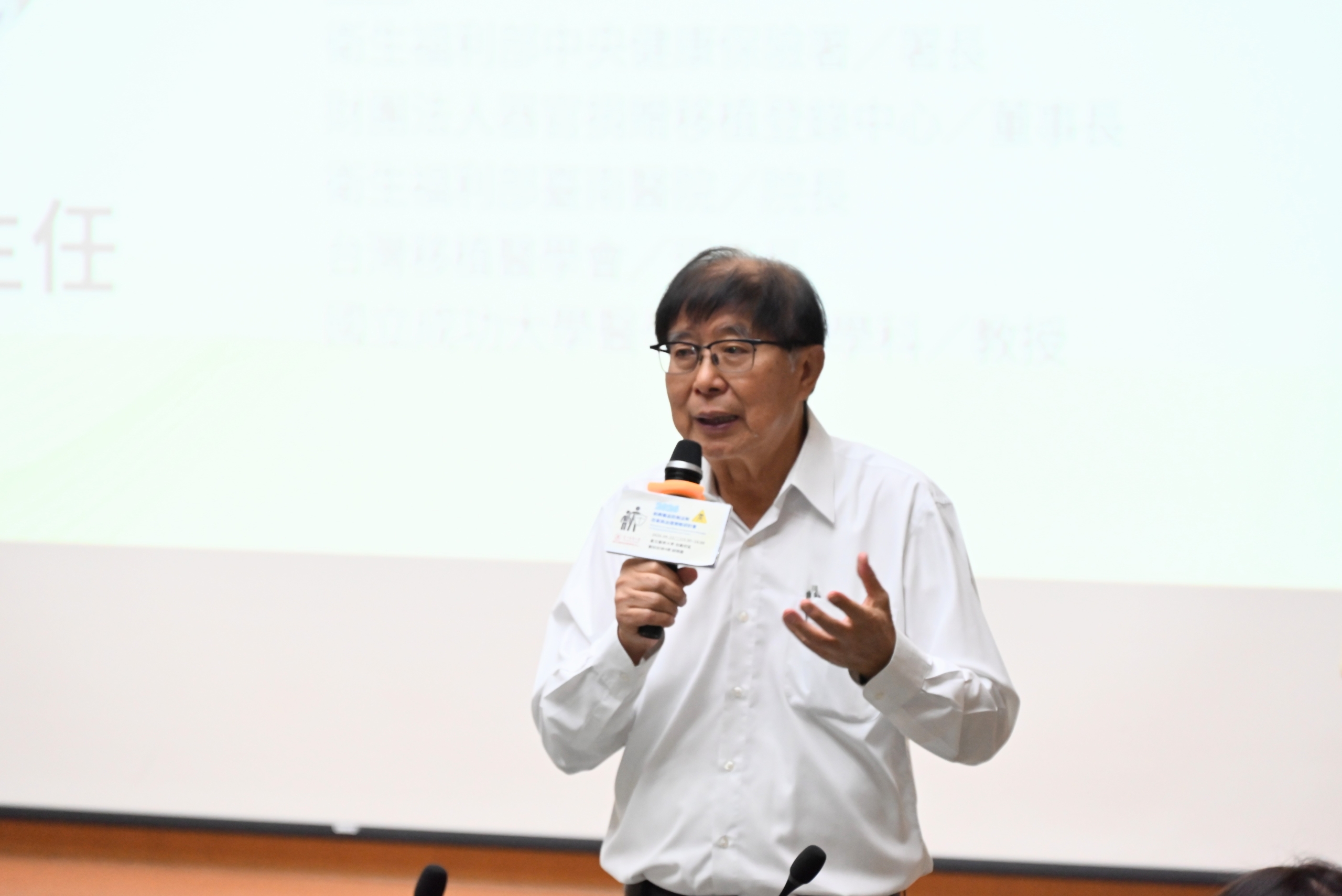
In his opening remarks, Director Lee Po-Chang stated that emerging drugs have become a pressing social issue that cannot be overlooked. He emphasized that efforts to prevent emerging drug abuse should not rely solely on law enforcement and post-offense penalties, but should also place greater emphasis on early prevention and public education. By ensuring that the public fully understands the harms associated with emerging drugs and develops greater risk awareness, the likelihood of exposure to and use of such substances can be reduced at the source.
The seminar brought together experts from the fields of legislation, crime prevention, medical treatment, and child and youth protection to exchange perspectives on legal reform, crime prevention, addiction treatment, and the protection of children and adolescents, with the aim of building consensus through interdisciplinary dialogue. Director Lee also expressed his appreciation to Legislator Liu Chien-Kuo for taking time from his busy schedule to attend the seminar and share his policy and legislative experience from his longstanding engagement with emerging drug issues and health and welfare policy, contributing to discussions on how Taiwan’s emerging drug prevention framework can be further strengthened.
Legislator Liu Chien-Kuo
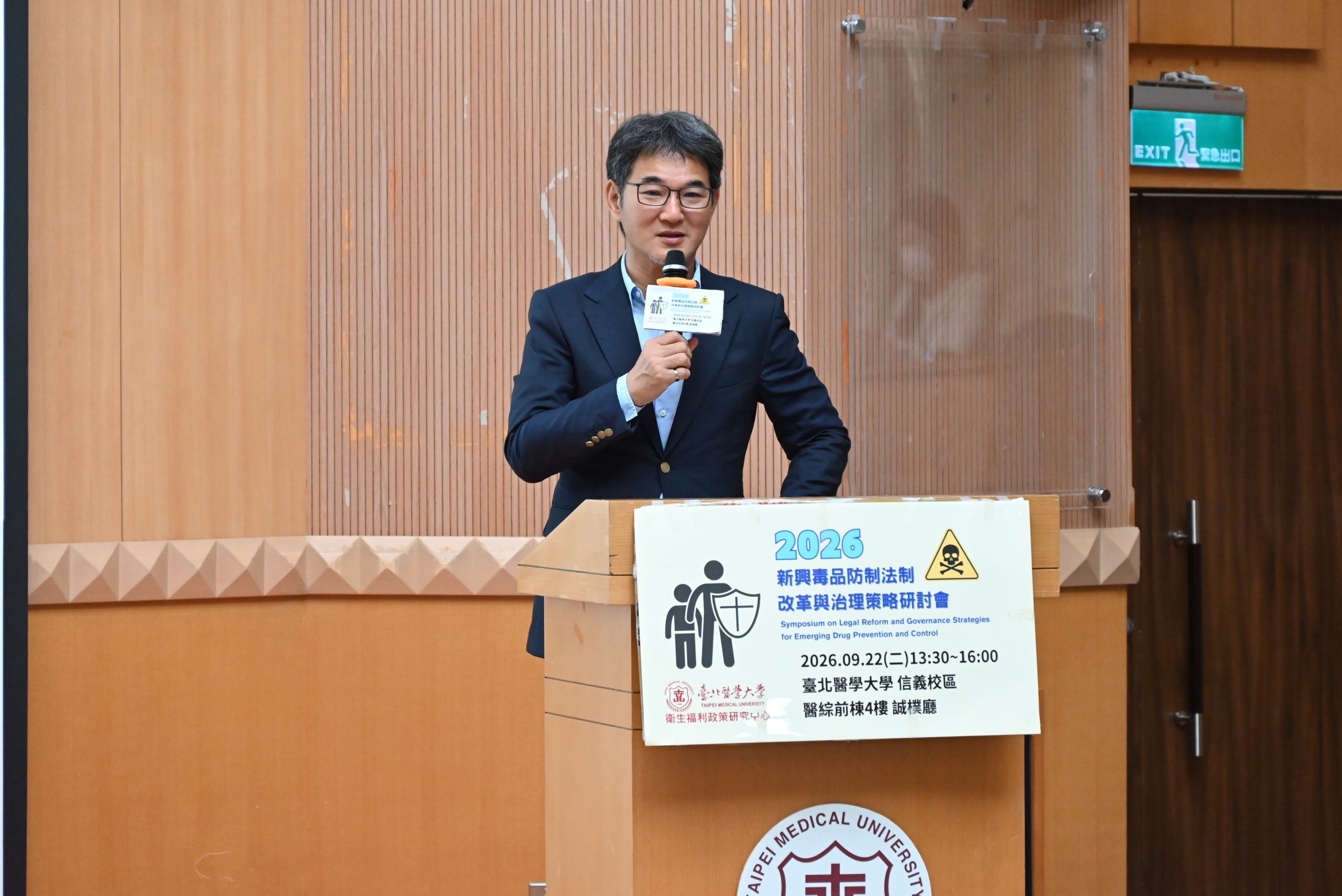
Legislator Liu Chien-Kuo stated that he has long been deeply concerned with drug prevention and control and, since entering the Legislative Yuan, has continued to address emerging drug issues through legislative inquiries and amendments to relevant laws. He noted that emerging drugs are evolving rapidly, posing serious challenges to the judicial system, law enforcement agencies, and the broader drug prevention framework. In particular, etomidate, commonly associated with so-called “zombie vape cartridges,” is distributed through electronic cigarettes and is highly portable, discreet to use, and difficult to identify by its ingredients. With increasingly diverse and novel product designs, these products may be especially appealing to adolescents, who may unknowingly use vape cartridges containing illicit substances.
Legislator Liu further pointed out that the harms associated with emerging drugs extend beyond drug-impaired driving. In practice, there have also been cases in which electronic cigarettes containing illicit substances were used to impair victims’ consciousness, leading to crimes such as sexual assault. This demonstrates that emerging drugs pose multiple risks involving traffic safety, public security, and the protection of children and adolescents. Therefore, in addition to strengthening the regulation of electronic cigarettes and related penalties through legislative amendments, effective enforcement and public education are equally important to ensure that the public fully understands the potential risks associated with electronic cigarettes and emerging drugs.
In response to the rapidly evolving nature of emerging drugs, Legislator Liu emphasized that the judicial, law enforcement, and health systems alone cannot adequately address the issue. Relevant authorities in education, labor, and other sectors must also work together, alongside the Legislative Yuan, healthcare professionals, and civil society organizations. Continued outreach in schools and among adolescents is essential to building a more comprehensive protective network against emerging drugs through coordinated efforts in legislation, law enforcement, education, and public awareness.
Cheng Wei-Hao, Deputy Captain, Drug Enforcement Center, Criminal Investigation Bureau, National Police Agency, Ministry of the Interior
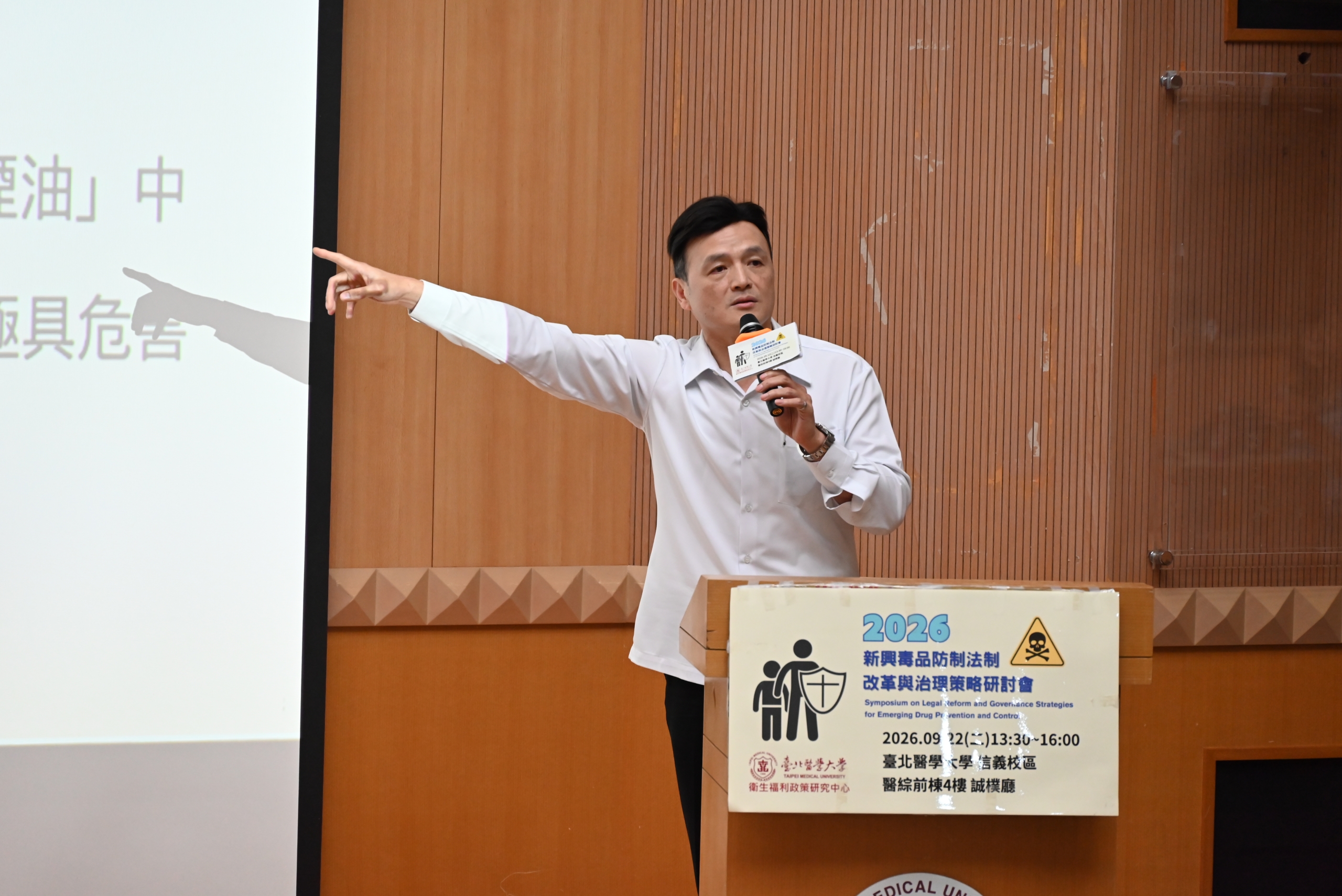
Deputy Captain Cheng Wei-Hao stated that patterns of drug use have undergone a significant shift, with the number of etomidate-related cases detected by law enforcement having surpassed the number of users of traditional drug-laced coffee packets. He explained that so-called “zombie vape cartridges” are electronic cigarette cartridges containing etomidate or other illicit substances. They are highly portable and easy to use, and can even be disguised as everyday objects. Moreover, emerging drugs often contain mixtures of stimulants, depressants, and other substances, which may lead to impaired consciousness and loss of motor control.
Deputy Captain Cheng emphasized that when etomidate-containing vape cartridges are used in connection with driving, the risks of drug use extend beyond individual users and become a serious threat to public road safety. He noted that drug-impaired driving cases in the past largely relied on urine samples collected after an incident, with laboratory testing taking one to two weeks, making it difficult to immediately prevent suspected drug-impaired drivers from continuing to drive. To address this issue, police have introduced rapid saliva drug screening, which can provide preliminary results within approximately three to five minutes. By immediately separating suspected drivers from their vehicles, police can intervene before further risks arise. Since the introduction of the new testing mechanism, the number of drug-impaired driving cases detected has increased from approximately 3,800 to 13,089, marking a gradual shift in law enforcement from post-incident prosecution toward proactive prevention.
In addition to strengthening enforcement efforts targeting the sources of etomidate, vape cartridge packaging sites, and distribution networks, Deputy Captain Cheng stressed the need to further improve the legal framework governing criminal liability for drug-impaired driving, vehicle confiscation, driver’s license revocation, and electronic cigarette regulation. He emphasized that as emerging drugs continue to evolve, future prevention efforts should integrate the resources of law enforcement, the judiciary, healthcare, education, and families. A comprehensive protective network against emerging drugs should be established through coordinated efforts in source-level enforcement, rapid testing, legal reform, and family support.
Hung Shan, Director, Center for Addiction and Suicide Prevention and Psychiatrist, Taipei Medical University Hospital
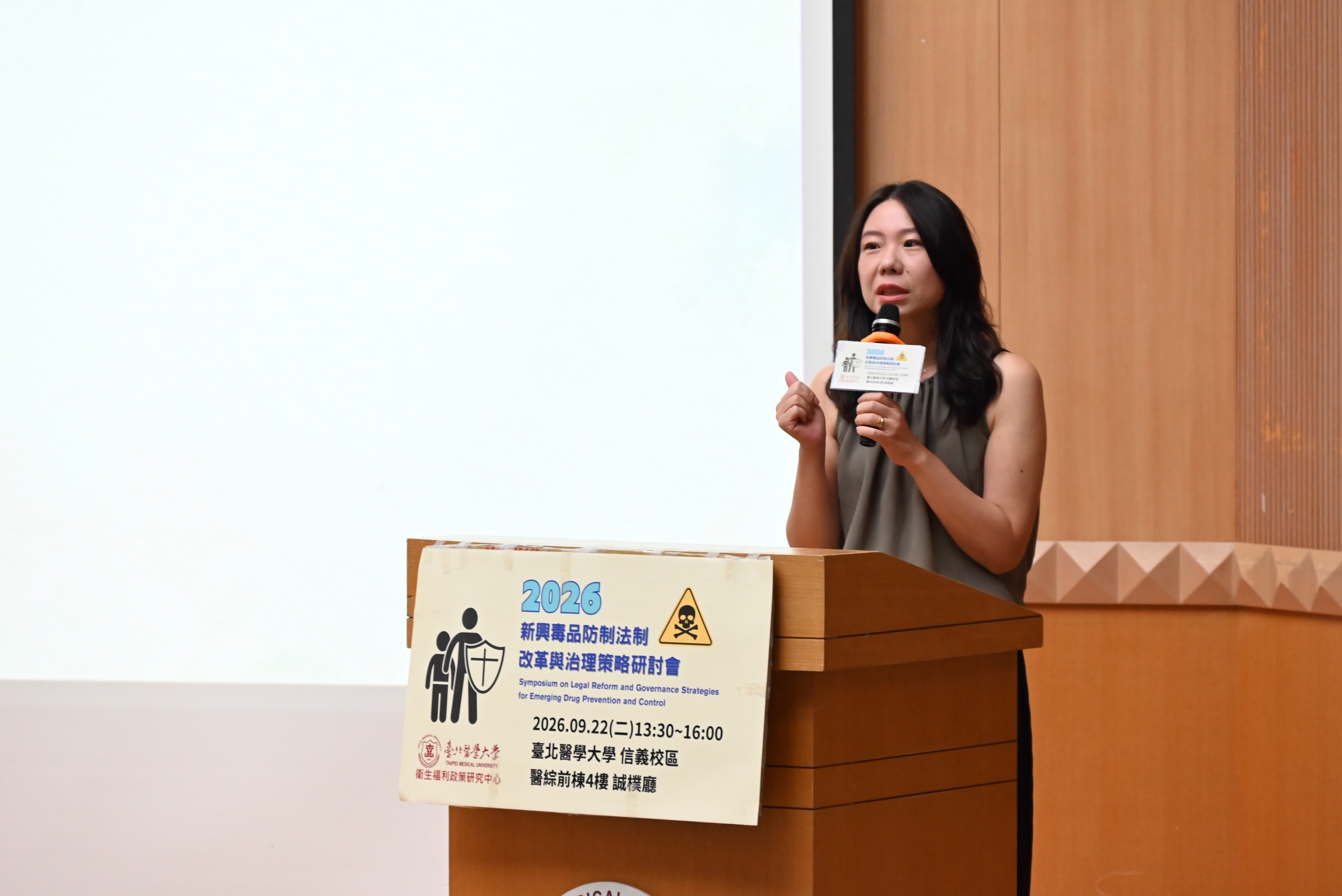
Director Hung Shan stated that etomidate, commonly associated with so-called “zombie vape cartridges,” was originally developed as a clinical anesthetic with central nervous system depressant effects. Its use may cause temporary loss of consciousness, abnormal muscle tone, low blood pressure, and respiratory depression, while prolonged use may also impair adrenal function. In recent years, however, etomidate has increasingly been misused as an emerging drug of abuse.
Director Hung pointed out that drug addiction is not simply a matter of insufficient willpower, but rather a chronic condition resulting from the complex interaction of neurological, psychological, and environmental factors. Clinically, many individuals with substance use disorders also experience conditions such as attention-deficit/hyperactivity disorder (ADHD), anxiety, depression, or sleep disorders. Treatment, therefore, should go beyond simply asking patients to stop using drugs and should instead integrate medication, psychotherapy, family support, and community resources to establish a comprehensive addiction treatment system.
Based on clinical experience, Director Hung noted that individuals with substance use disorders often do not voluntarily seek treatment from psychiatric services. Many are first brought to emergency departments or hospitalized after experiencing falls, loss of consciousness, or other physical health problems. Emergency departments, internal medicine services, psychiatric departments, schools, families, and communities can therefore all serve as important points of intervention.
Director Hung concluded by emphasizing that healthcare professionals and society should avoid judgmental or lecturing attitudes toward individuals with substance use disorders. Instead, every encounter should be viewed as an opportunity to build trust and connect individuals with appropriate medical care and addiction treatment resources. Recovery from addiction is a gradual process, and relapse does not necessarily mean that treatment has failed. What matters is progressively extending periods of abstinence, helping patients gradually return to their daily lives, and ensuring that when they become motivated to seek treatment, they know where and how to access appropriate support.
Lee Chien-Ching, Executive Supervisor, Taiwan Alliance for Advancement of Youth Rights and Welfare
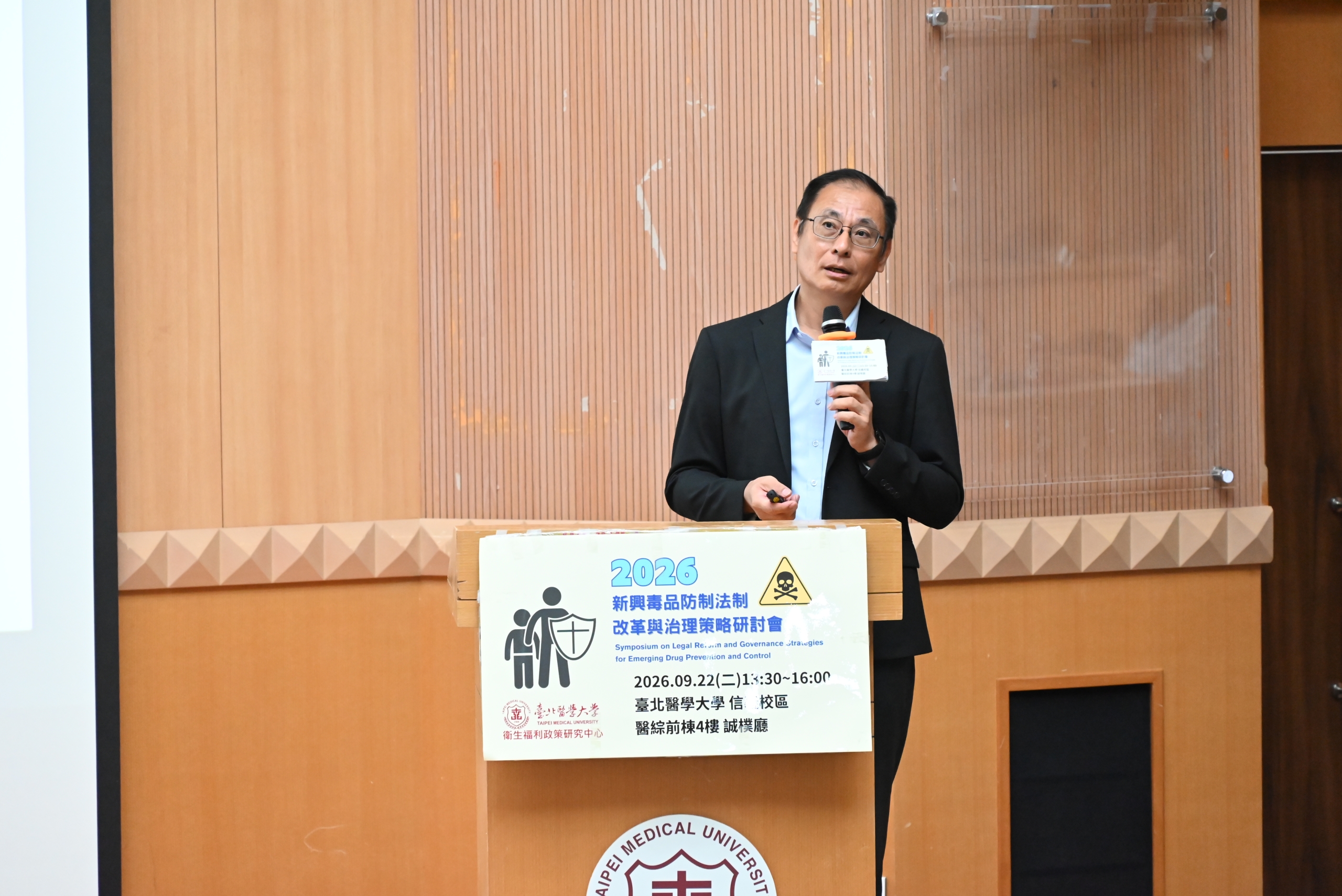
Executive Supervisor Lee Chien-Ching stated that emerging drugs are spreading rapidly among adolescents, with social media and encrypted messaging applications becoming major channels through which young people access related information and conduct transactions. According to data from the Ministry of Education, 224 students at schools of various levels received counseling for etomidate abuse in 2026, although there may still be a substantial number of undetected cases.
Lee pointed out that adolescent involvement with emerging drugs is often not simply a drug-related issue. It may also be associated with multiple underlying factors, including weak family functioning, poor interpersonal relationships, low academic achievement, psychological stress, and a lack of belonging. Therefore, responses should not focus solely on law enforcement and punishment, but should involve coordinated intervention across families, schools, communities, healthcare services, and the judicial system.
In addition to strengthening parenting education and family support, community-based youth centers, experiential education, and diverse positive activities should be expanded to help young people develop a sense of achievement and belonging. Greater attention should also be given to identifying and protecting adolescents who are recruited, manipulated, or exploited by adults or gangs. Furthermore, transitional support in education, employment, and social services should be strengthened following addiction treatment or correctional intervention.
Lee concluded by emphasizing that the fundamental way to reduce the harms of emerging drugs is to create an environment in which young people do not need to seek recognition or a sense of belonging through drugs or deviant peer groups.
2026.09.22,喪屍煙彈還沒完!醫師示警「替來他明」恐成下個依托咪酯,中時,https://reurl.cc/qa4dME
2026.09.22,喪屍煙彈竄市場 不只釀毒駕爆量…立委揭已演化成「性侵藥」,聯合新聞,https://reurl.cc/MWLdZL
2026.09.22,動物麻藥「替來他明」管不嚴 醫警恐成下個依託咪脂,中央社,https://reurl.cc/MWLvYK
2026.09.23,動物麻醉藥「替來他明」淪新毒 高市衛生局:在台無藥證,大紀元,https://reurl.cc/KELky9
2026.09.23,動物麻藥替來他明恐成下個喪屍毒品,中華新聞,https://reurl.cc/dOl5r8
2026.09.23,下一個喪屍煙彈!「替來他明」恐遭濫用、兒少淪運毒販毒馬前卒,遠見,https://reurl.cc/6XYl2r
2026.09.24,北醫衛政中心召開新興毒品防制研討會 跨領域凝聚治理共識,經濟日報,https://reurl.cc/XxN6oE
 38 Liters of Blood Transfusions Saved a Life; As Hospital Superintendent, He Started with Restrooms and Patient Meals — Lee Po-Chang: “True Reform Begins by Identifying the Real Source of Bleeding”2026-10-19 - 14:51
 Uncovering Hospitals’ Second Set of Books, Part 4 | Even Hospitals Without Inherited Wealth Can Turn Around: How Lee Po-Chang Used the “Art of Financial Management” to Transform Losses into Profits2026-10-19 - 14:42