EVENT PHOTOS
活動花絮

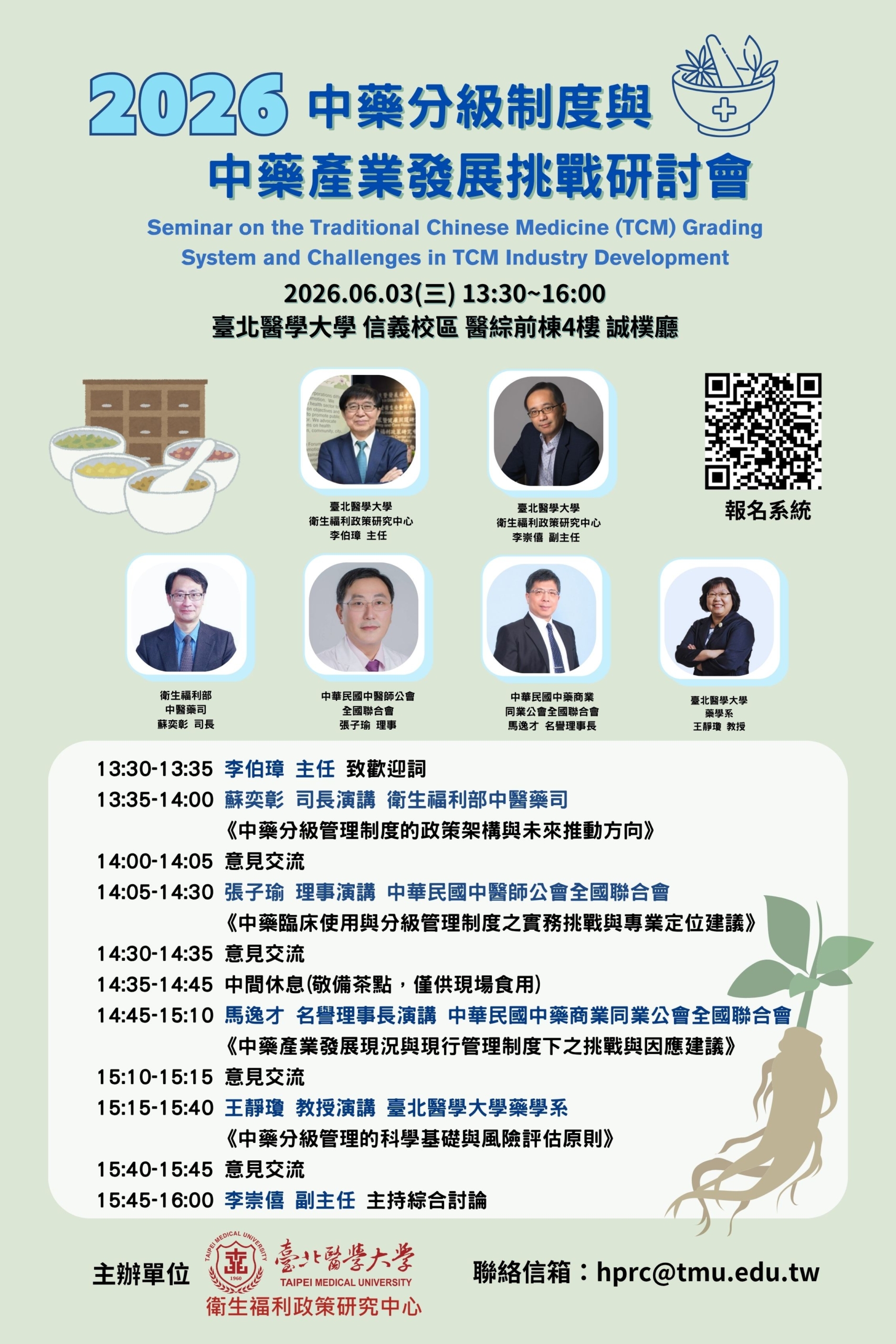
Seminar on the Traditional Chinese Medicine (TCM) Grading System and Challenges in TCM Industry Development
【2026/06/03】
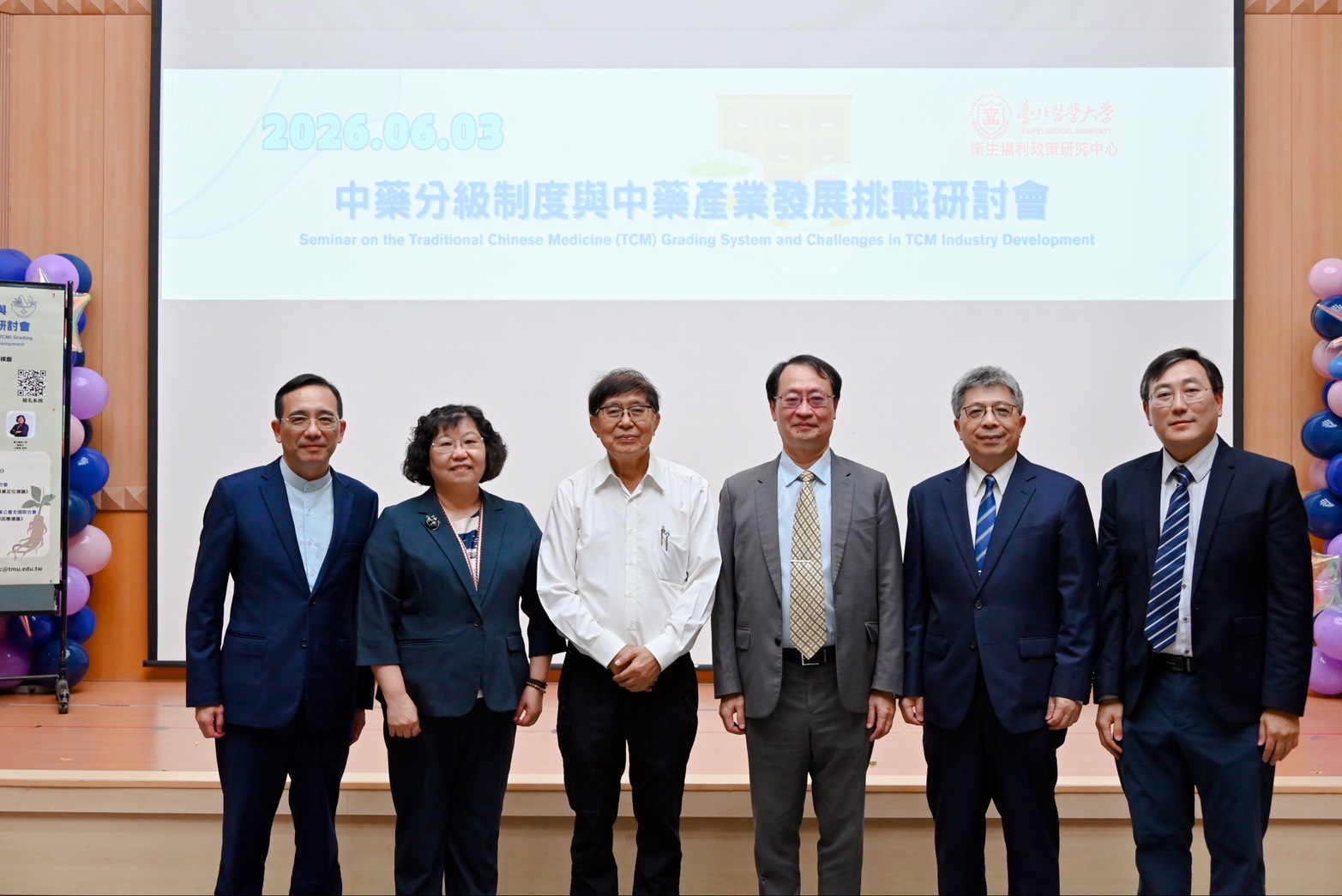
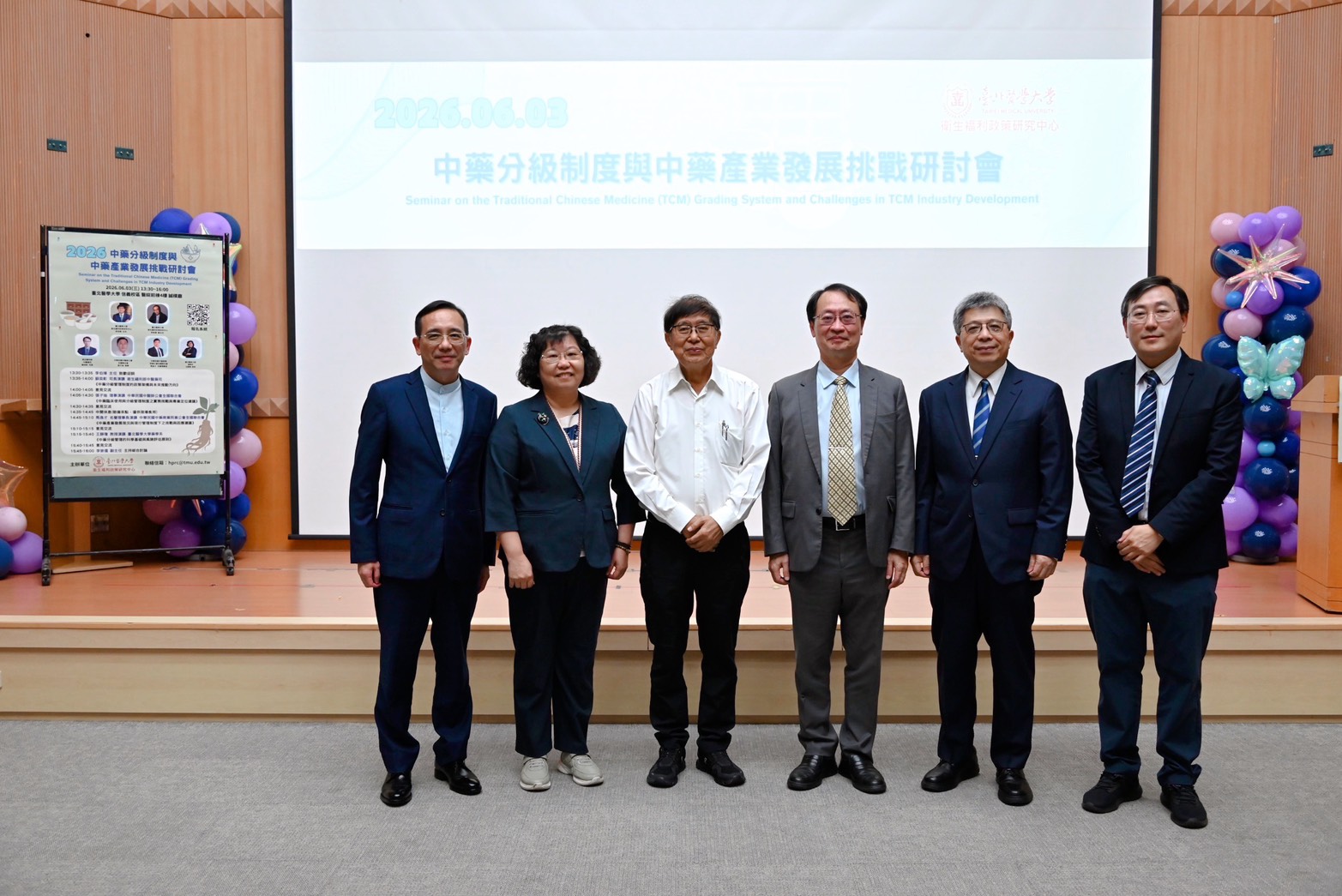
(From left to right: Dr. Chung-Hsi Lee, Deputy Director of the Center for Health and Welfare Policy, Taipei Medical University; Professor Ching-Chiung Wang, School of Pharmacy, Taipei Medical University; Professor Po-Chang Lee, Director of the Center for Health and Welfare Policy, Taipei Medical University; Dr. Yi-Chang Su, Director-General of the Department of Chinese Medicine and Pharmacy, Ministry of Health and Welfare; Mr. Yi-Tsai Ma, Honorary Chairman of the National Federation of Chinese Herbal Medicine Commercial Associations of the Republic of China; and Dr. Tzu-Yu Chang, Board Director of the Taiwan Association of Chinese Medicine Physicians.)
On March 23, 2026, the Center for Health and Welfare Policy at Taipei Medical University convened a symposium titled “The Traditional Chinese Medicine Classification System and Challenges in the Development of the Chinese Medicine Industry.” The event systematically examined the design logic and practical challenges of the Traditional Chinese Medicine (TCM) classification system, as well as the impact of the current framework on the development of the TCM industry and possible directions for reform. The symposium also sought to clarify professional roles and institutional positioning to serve as an important reference for future policy optimization and regulatory development.
Professor Po-Chang Lee, Director, Center for Health and Welfare Policy, Taipei Medical University
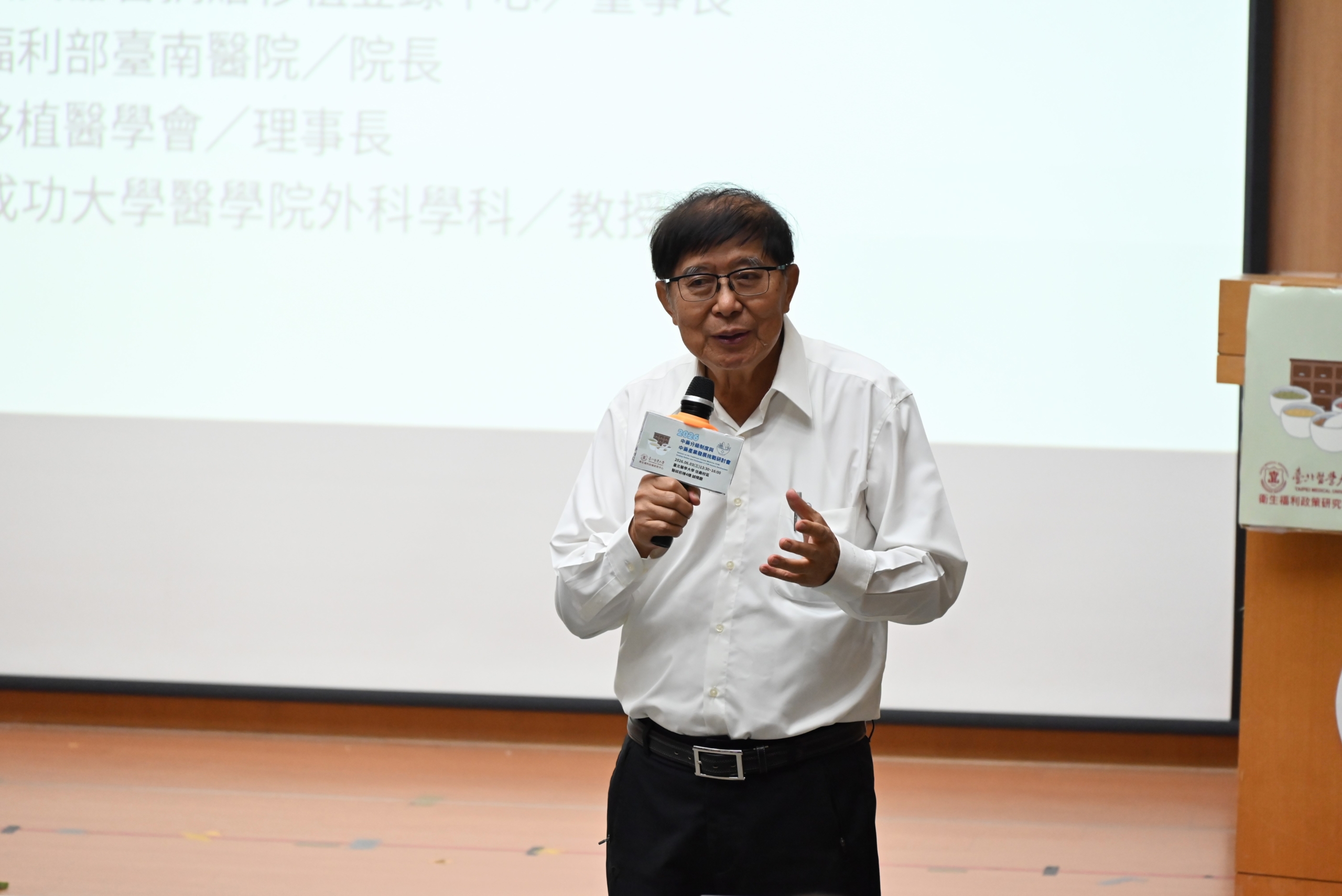
In his opening remarks, Director Po-Chang Lee noted his long-standing interest in issues related to traditional Chinese medicine. Drawing on his experience as Superintendent of Tainan Hospital under the Ministry of Health and Welfare, he recalled the severe dengue fever outbreak that occurred during his tenure. In addition to Western medical treatments, the hospital’s TCM team provided Chinese medicine interventions that achieved favorable therapeutic outcomes.
Professor Lee emphasized that whether through Western medicine or traditional Chinese medicine, any approach that improves patients’ health and treatment outcomes carries professional value and significance. He further noted that TCM has an important role to play in disease management, health promotion, and preventive healthcare, with considerable potential for future development.
He expressed hope that the symposium would bring together experts from government, academia, and industry, facilitating dialogue and collaboration to advance both the TCM industry and related regulatory systems.
Dr. Yi-Chang Su, Director-General, Department of Chinese Medicine and Pharmacy, Ministry of Health and Welfare
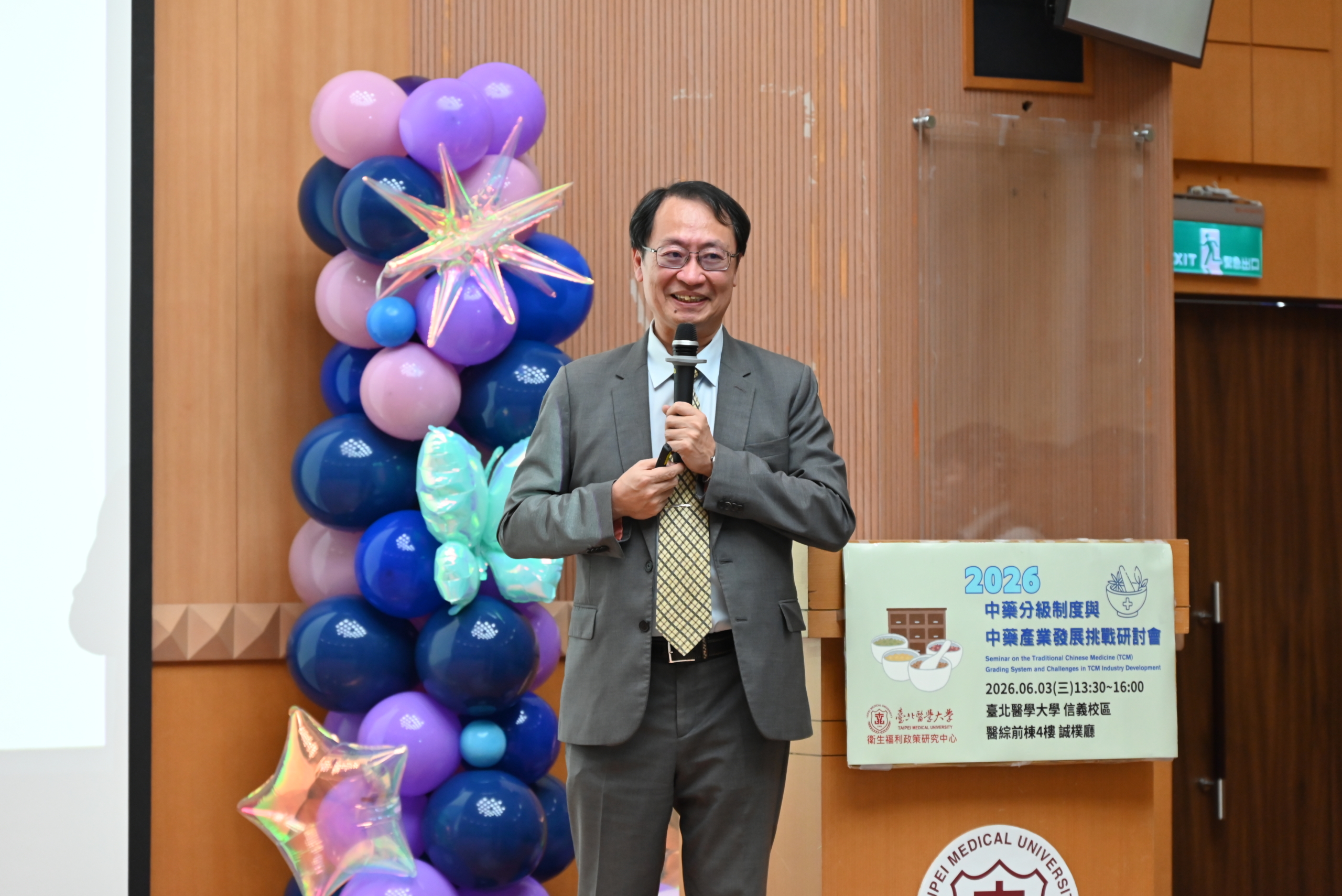
Director-General Yi-Chang Su explained that Chinese medicinal materials originate from natural sources such as plants, animals, and minerals. Their quality can be significantly influenced by factors including geographic origin, seasonality, and processing methods, making quality control more challenging than for conventional pharmaceuticals. Furthermore, because some Chinese medicinal products possess characteristics of both medicines and food products, their classification and regulatory management are inherently more complex.
Dr. Su emphasized that the primary purpose of a drug classification system is to safeguard public medication safety. By categorizing products into prescription drugs, pharmacist-directed medicines, and over-the-counter medicines, regulators can reduce the risks of misuse and adverse drug events.
As international pharmaceutical regulation increasingly shifts from administrative control toward risk-based management, self-care has emerged as an important global trend. Through access to reliable information, consultations with community pharmacists, and appropriate use of non-prescription medicines, individuals can manage minor health conditions while improving healthcare resource utilization.
According to Dr. Su, one of the key challenges facing Taiwan’s current TCM classification system is the lack of a clear and standardized reclassification review mechanism. As a result, products containing identical formulations may be regulated differently depending on their dosage forms or product categories.
To strengthen consistency and scientific rigor, the Ministry of Health and Welfare introduced the Draft Guidelines for the Classification Review of Chinese Medicinal Preparations in 2025. The guidelines propose a stepwise classification framework based on product risk levels.
Going forward, reclassification decisions will be supported by scientific evidence, real-world use data, and risk assessment methodologies. This approach aims to establish more transparent regulatory standards while preserving the distinctive characteristics of traditional Chinese medicine and aligning Taiwan with international regulatory trends. Ultimately, the goal is to develop internationally competitive “Taiwan Standards” that enhance both the growth and global competitiveness of Taiwan’s TCM industry.
Dr. Tzu-Yu Chang, Board Director, Taiwan Association of Chinese Medicine Physicians
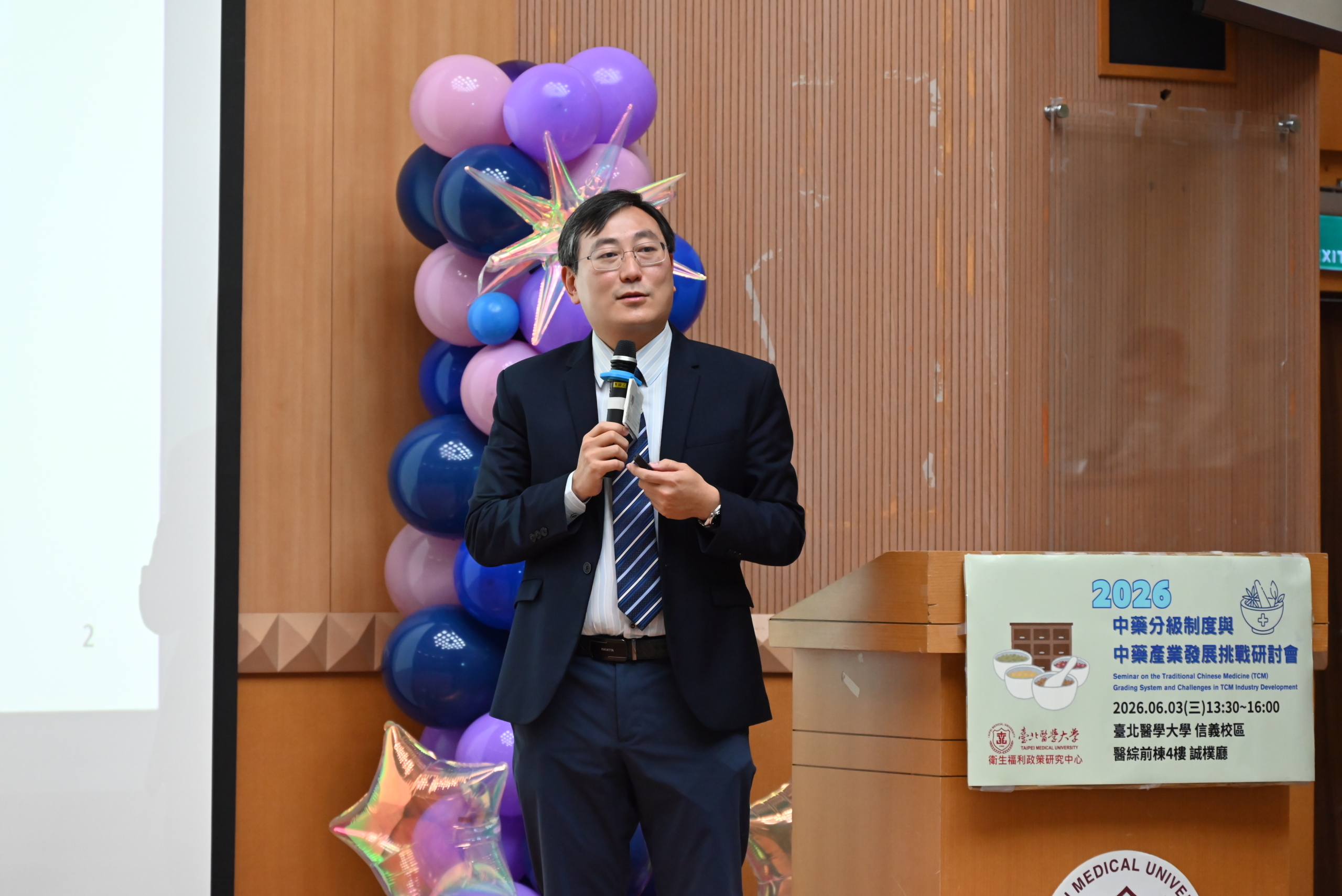
Dr. Tzu-Yu Chang emphasized that Chinese herbal medicines are fundamentally medicines and should be treated as such. Licensed TCM physicians are legally responsible for diagnosis, prescribing, medication safety oversight, and adverse event reporting.
Drawing on Japan’s experience with Kampo medicine regulation, Dr. Chang noted that herbal medicines may still affect the liver, lungs, cardiovascular system, and gastrointestinal tract. In addition, individuals who obtain medications through multiple healthcare channels or purchase over-the-counter products independently may face risks of duplicate medication use and cumulative dosing.
He cited a case in which a patient self-administered Gardenia fruit (Zhizi) for twenty years, eventually suffering irreversible intestinal damage.
Dr. Chang stressed that “natural” does not necessarily mean “safe.” Many herbal formulas must be tailored according to individual constitution, syndrome differentiation, and disease progression. Therefore, a classification and management system for Chinese medicines is both necessary and justified.
He recommended that future classification policies be based on medication safety and risk management principles. Modern scientific literature and traditional TCM texts should serve as evaluation foundations, while experts in Chinese medicine and toxicology should jointly assess product safety before determining whether products may be reclassified as non-prescription medicines.
Furthermore, sales of over-the-counter Chinese medicines should not be treated as simple commercial transactions. Instead, a comprehensive consultation and health education framework should be established to ensure that consumers receive accurate medication guidance.
Dr. Chang concluded that only through robust risk management, professional oversight, and safety monitoring mechanisms can Taiwan simultaneously protect public health, preserve professional TCM practice, and support sustainable industry development.
Mr. Yi-Tsai Ma, Honorary Chairman, National Federation of Chinese Herbal Medicine Commercial Associations of the Republic of China
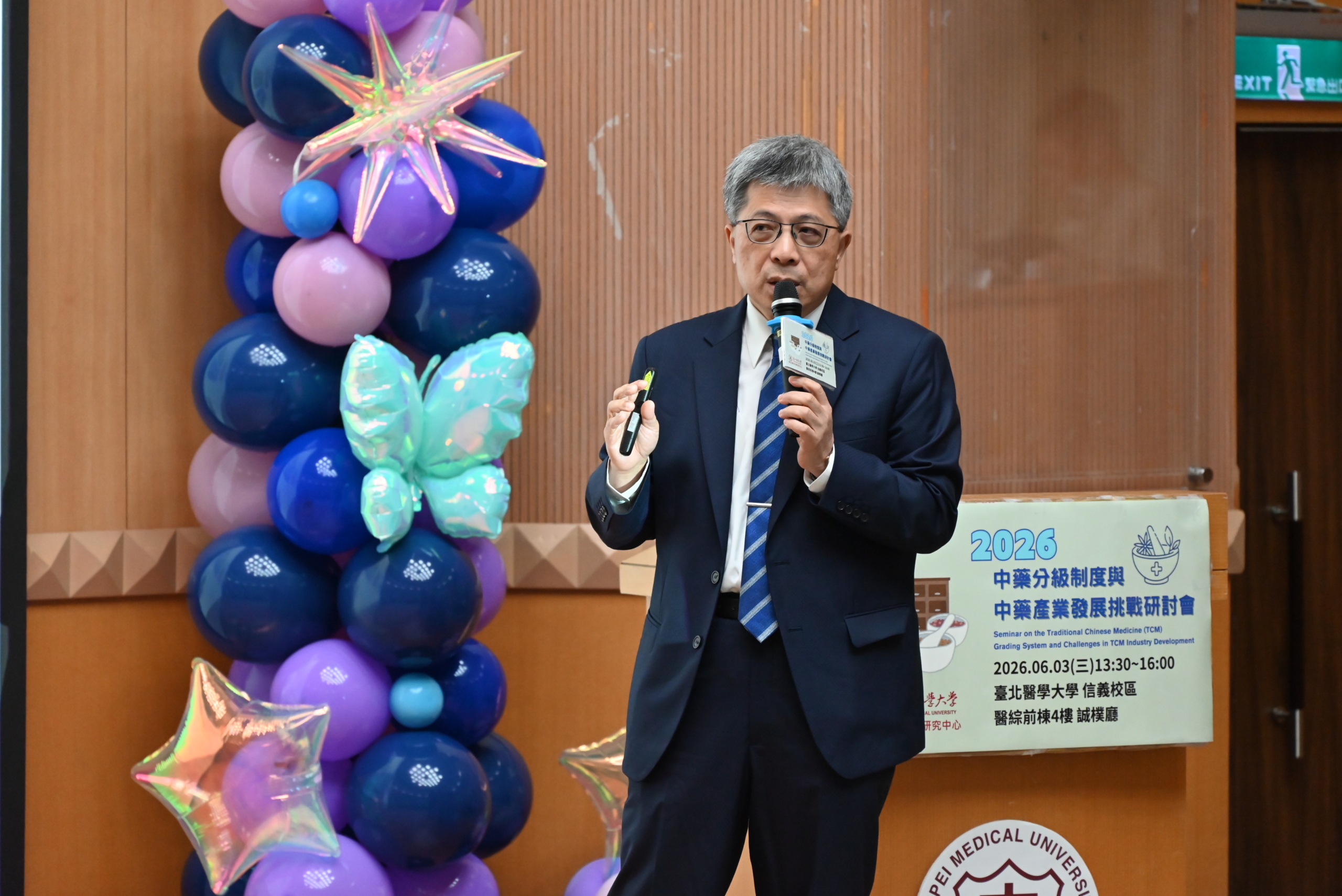
Honorary Chairman Yi-Tsai Ma emphasized that Chinese medicinal materials constitute the foundation of the traditional Chinese medicine industry, making supply stability and quality management critical concerns.
He pointed out that Taiwan’s herbal medicine sector has experienced continuous decline in recent years. Statistics indicate that imports of Chinese medicinal materials have fallen by more than 40 percent compared with levels over a decade ago, while the number of traditional herbal medicine shops has also decreased substantially.
Factors contributing to this decline include generational succession challenges among herbal medicine merchants, changes in the National Health Insurance system, and a lack of interest among younger generations in entering the profession.
Mr. Ma warned that continued contraction of the herbal medicine trade could eventually threaten the stability of medicinal material supplies and disrupt the broader TCM industry supply chain.
He highlighted the long-standing role of herbal medicine merchants in procurement, quality inspection, processing, and distribution. As a critical component of the supply chain, any disruption could affect not only the medicinal materials market but also manufacturers, TCM healthcare institutions, and NHI-covered TCM services.
Mr. Ma further noted that Taiwan has already established a comprehensive quality management system covering source procurement, border inspections, market surveillance, labeling requirements, and testing standards for pesticide residues, heavy metals, aflatoxins, and sulfur dioxide. Compliance rates in recent years have consistently exceeded 90 percent, demonstrating the effectiveness of existing quality assurance and medication safety mechanisms.
He called on the government to place greater emphasis on industry development and workforce cultivation by establishing sustainable training and succession programs to ensure the stability of the supply chain and the continued safety of herbal medicine products.
Professor Ching-Chiung Wang, School of Pharmacy, Taipei Medical University
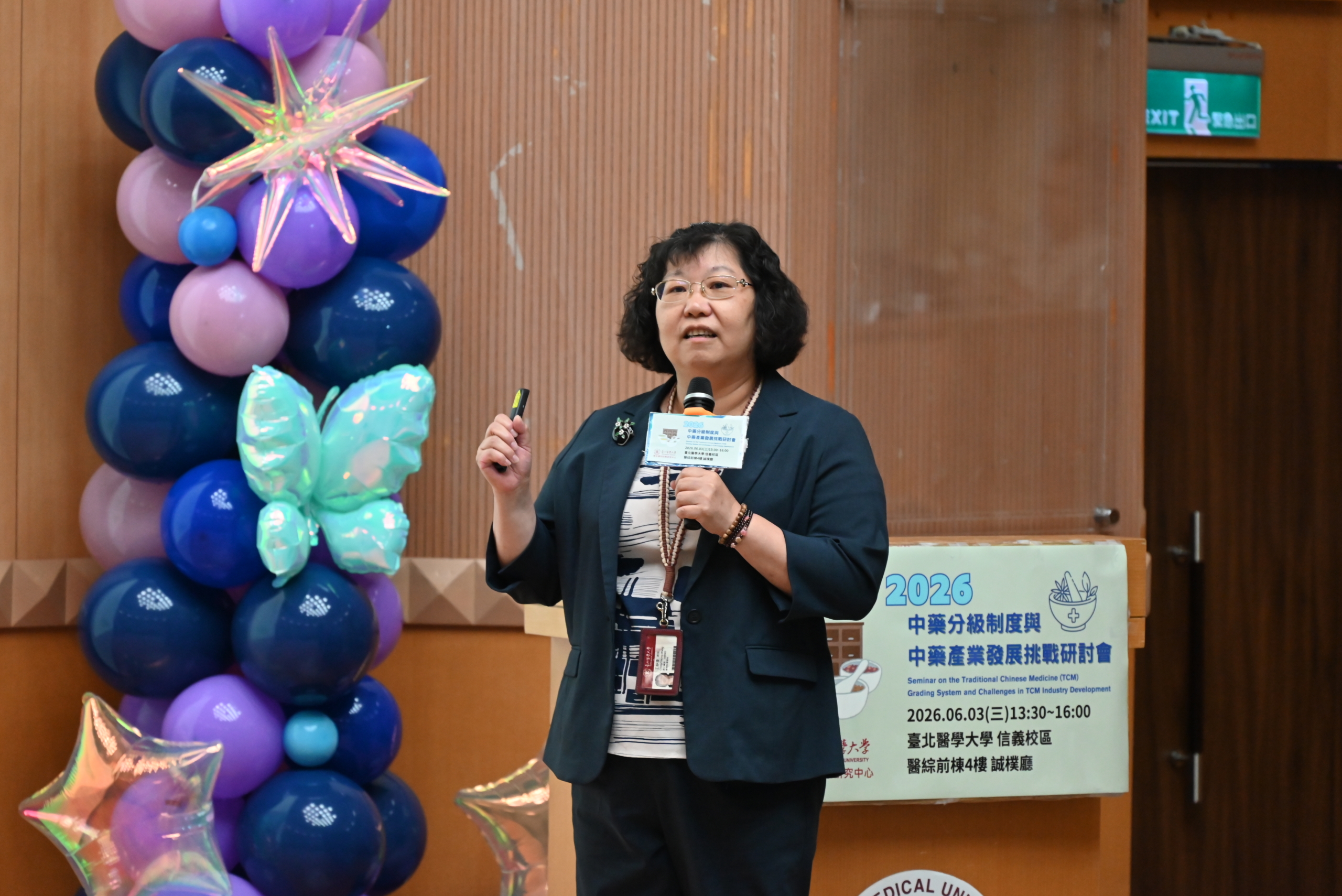
Professor Ching-Chiung Wang noted that one of the most significant challenges facing Taiwan’s TCM classification system is the absence of a consistent and scientifically grounded reclassification standard. As a result, products containing the same formula may be assigned different regulatory categories depending on dosage form.
Professor Wang observed that many Chinese medicinal preparations are rooted in centuries of traditional medical texts and clinical experience. Therefore, modern scientific methods should be employed to establish a rational regulatory framework.
She proposed adopting principles commonly used in international pharmaceutical classification systems, including:
For indication-based evaluation, she suggested focusing on common, mild conditions that consumers can reasonably self-diagnose and manage, such as common colds and minor gastrointestinal discomfort. Initial assessments could cover six major clinical areas: internal medicine, gynecology, pediatrics, surgery, ophthalmology, and dermatology.
Appropriate inclusion and exclusion criteria should also be developed to minimize delays in diagnosing serious illnesses.
Regarding risk assessment, Professor Wang proposed leveraging network pharmacology, data science, and artificial intelligence to analyze medicinal formulations and toxic herbal ingredients. Classification decisions could then be based on toxicity profiles, safe dosage ranges, clinical experience, and risks to special populations.
Finally, she emphasized that the successful implementation of an OTC Chinese medicine system ultimately depends on consumers’ ability to understand and appropriately use these products. Drawing on European Union experience, she recommended establishing a package insert comprehension assessment mechanism that presents indications, adverse effects, and precautions in clear, plain language.
Professor Wang concluded that the objective of TCM classification management is not to restrict the development of traditional medicine, but rather to enhance utilization, innovation, and international competitiveness through scientific risk management and regulatory modernization.
Medication safety should remain the core objective of TCM regulation. Taiwan should integrate international experience, scientific research, real-world data (RWD), and artificial intelligence technologies to continuously improve safety assessment, monitoring, and risk-based classification systems.
Management of over-the-counter Chinese medicines should extend beyond product sales. Professional consultation and health education services should be developed, with physicians, pharmacists, and other healthcare professionals playing a greater role in guiding appropriate medication use.
Drawing on European Union practices, Taiwan should establish a package insert comprehension evaluation system that presents indications, adverse effects, and precautions in clear and understandable language. This would enhance medication literacy and reduce inappropriate use, duplicate medication, and medication-related harm.
While respecting the principles of syndrome differentiation and traditional prescribing culture, Taiwan should pursue scientific management and regulatory innovation that align with international pharmaceutical regulatory trends, thereby increasing utilization and strengthening global competitiveness.
The government should address challenges related to industry development and workforce shortages by establishing comprehensive education, training, succession, and recruitment mechanisms. Maintaining a stable supply chain and robust quality management system is essential for ensuring medication safety and promoting the sustainable development of Taiwan’s traditional Chinese medicine industry.
 38 Liters of Blood Transfusions Saved a Life; As Hospital Superintendent, He Started with Restrooms and Patient Meals — Lee Po-Chang: “True Reform Begins by Identifying the Real Source of Bleeding”2026-10-19 - 14:51
 Uncovering Hospitals’ Second Set of Books, Part 4 | Even Hospitals Without Inherited Wealth Can Turn Around: How Lee Po-Chang Used the “Art of Financial Management” to Transform Losses into Profits2026-10-19 - 14:42
 【2026/07/21】Symposium on the Long-Term Care 3.0 Policy Blueprint and Emerging...